

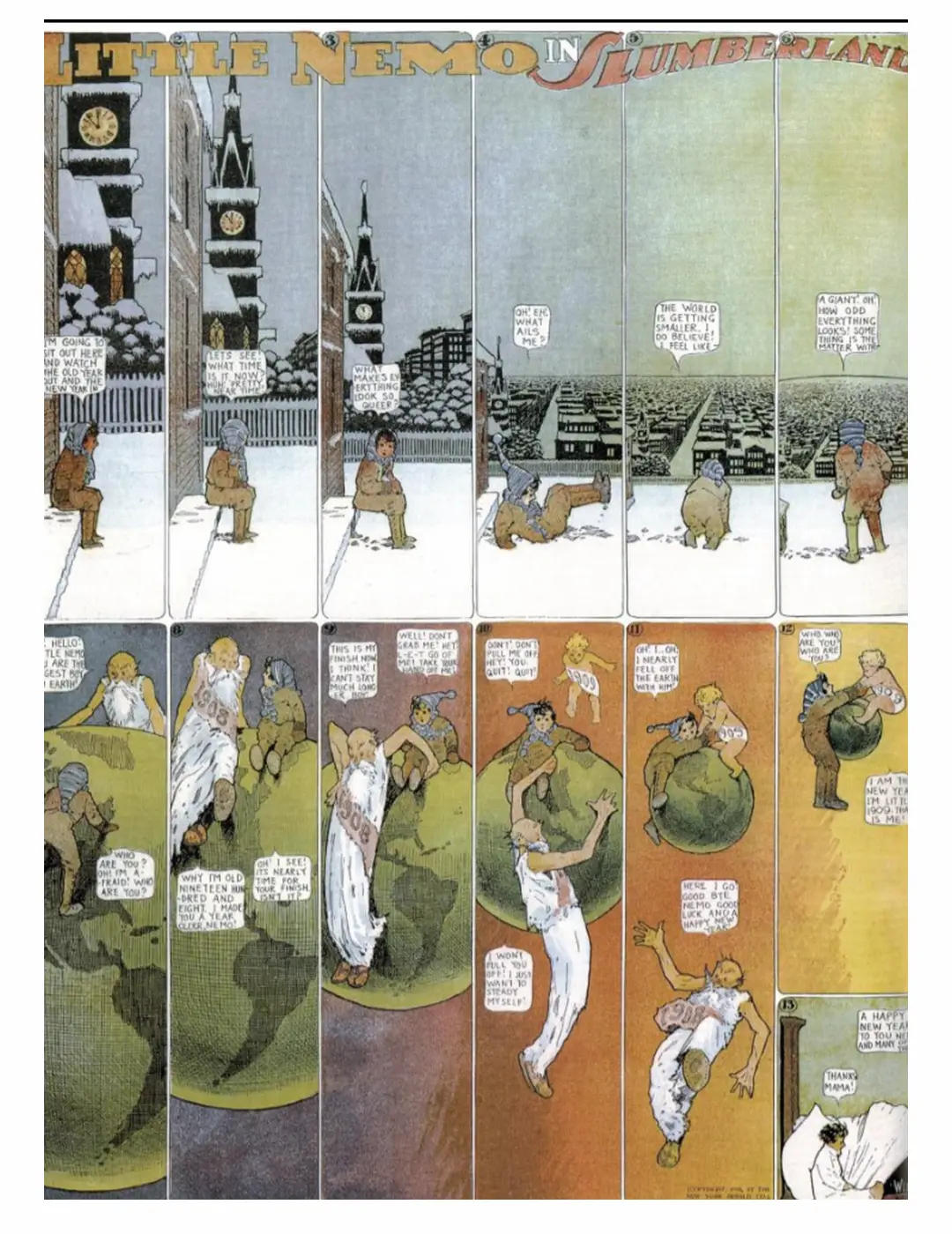
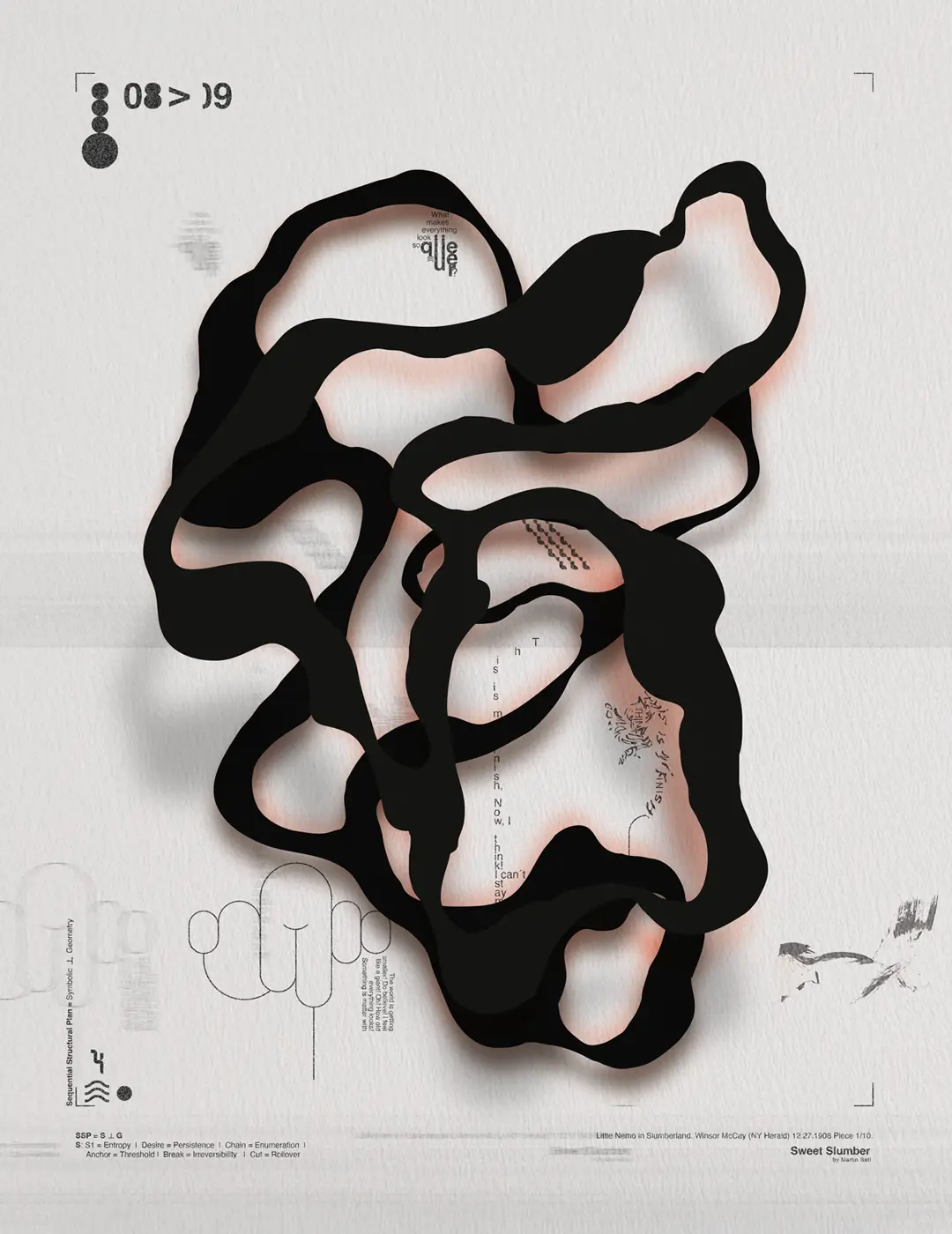

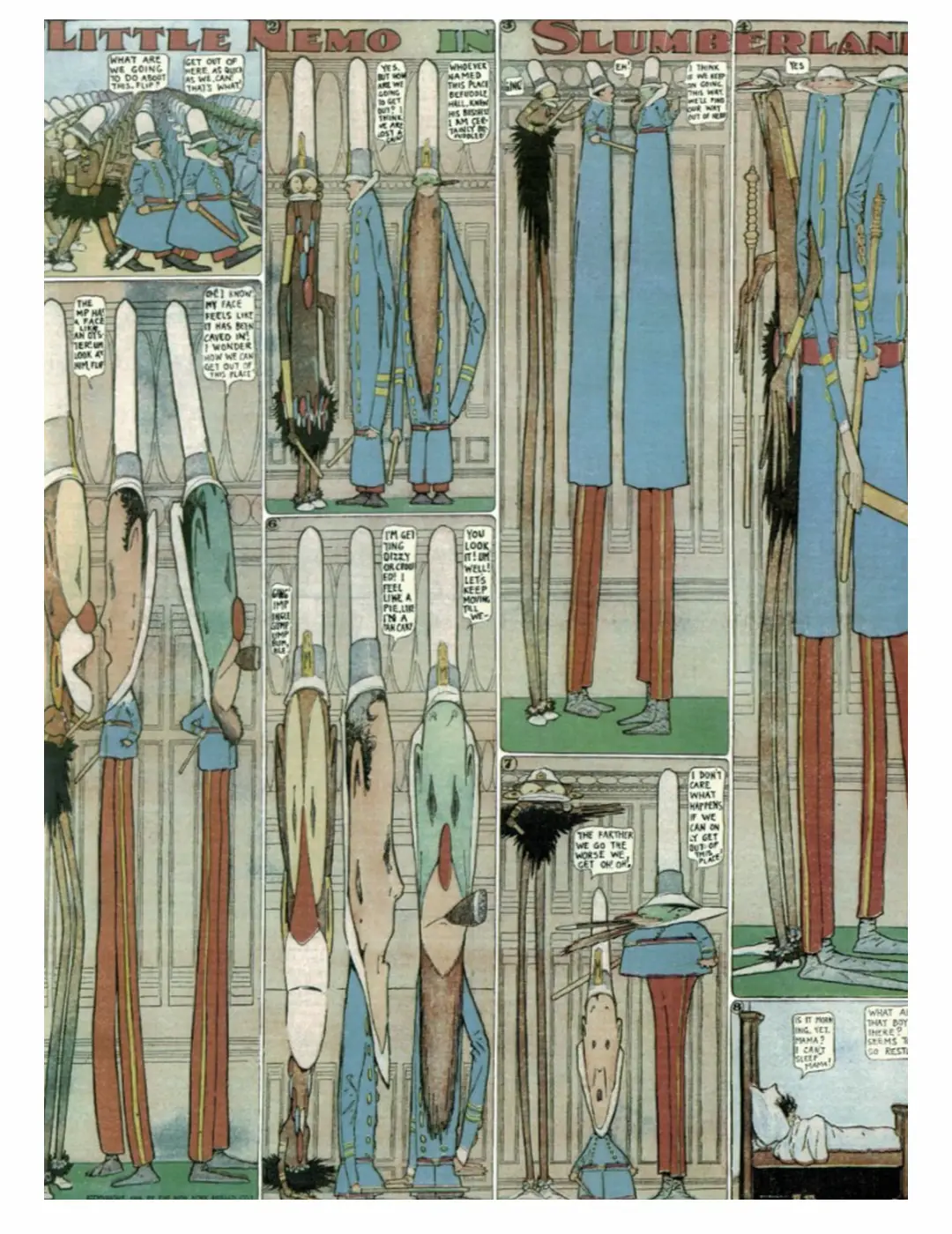
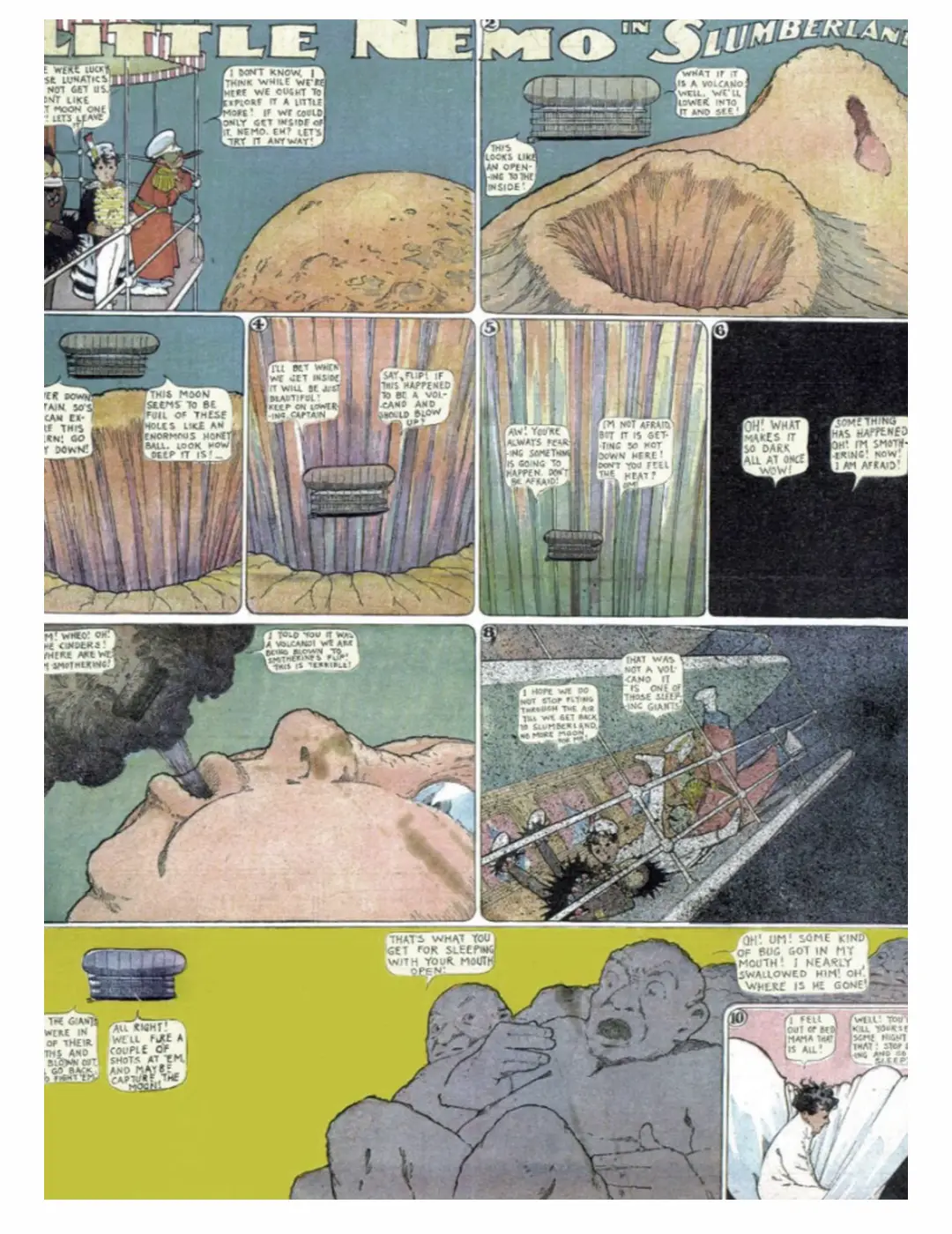
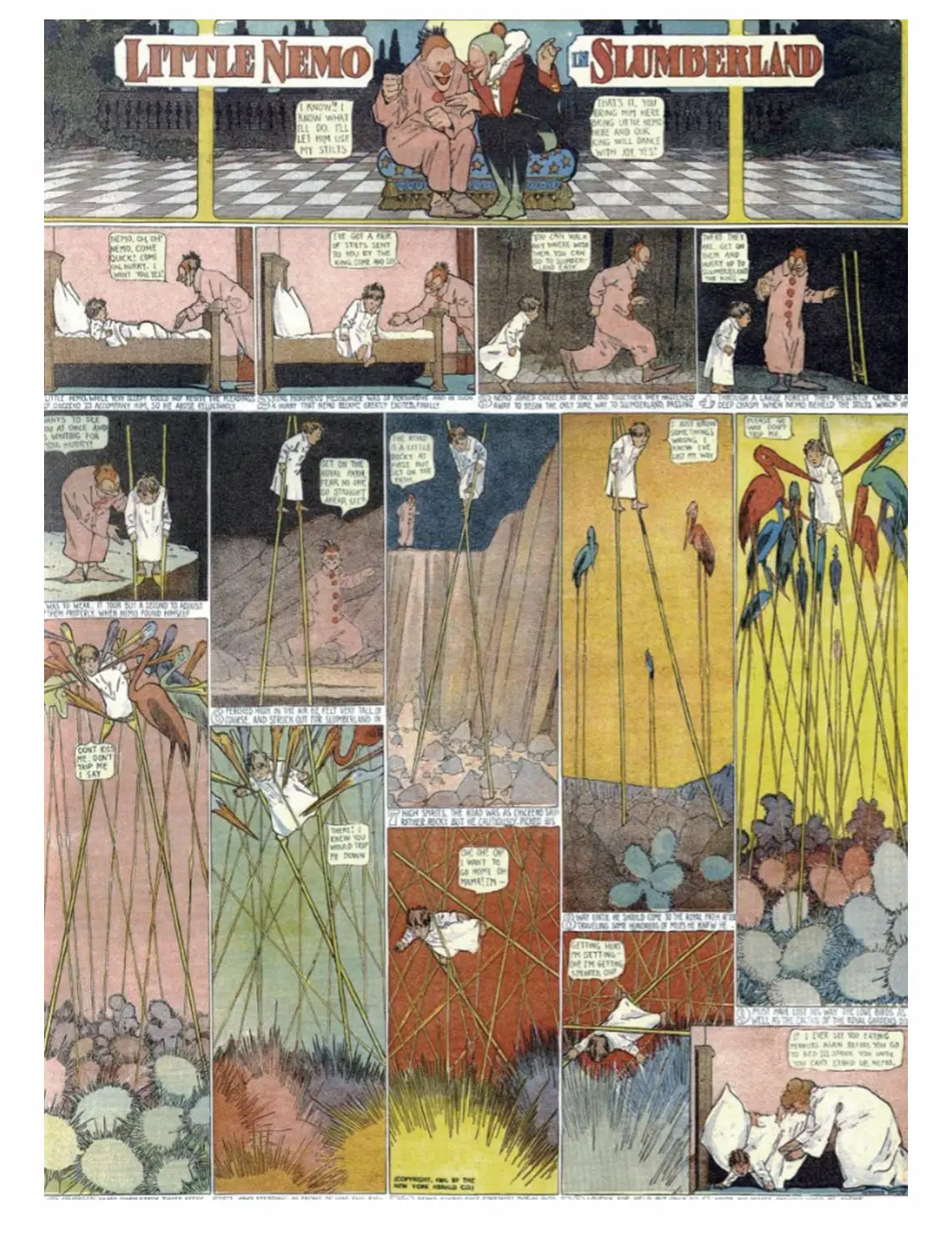
A project that originated from a group exhibition at LAB Sevilla marking the 125th anniversary of Little Nemo—a foundational work of modern comics created by Winsor McCay.
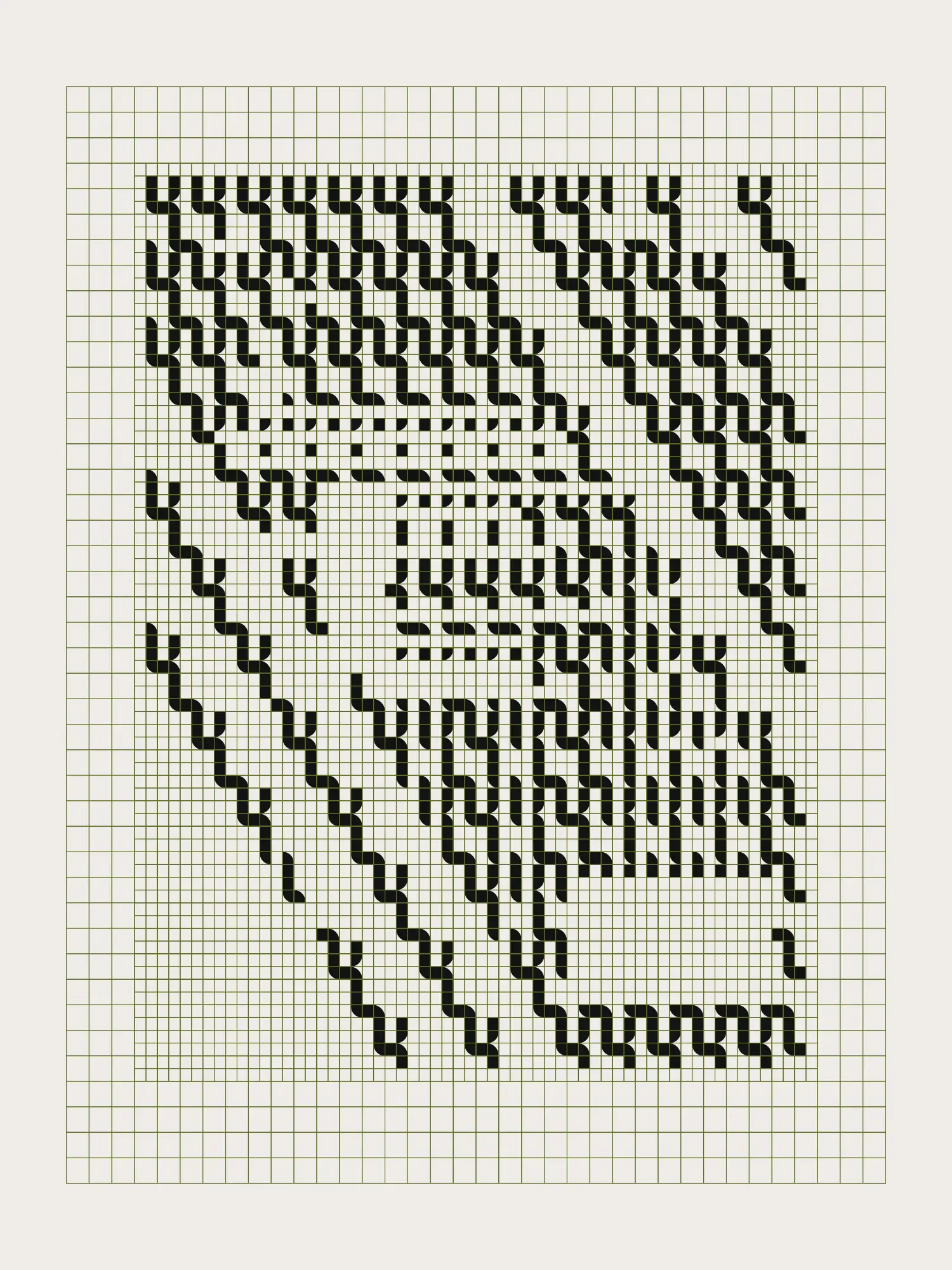
This became an excuse to think about comics, about the grid, and to look for a viewpoint that would force the medium to change state: from drawn sequence to structure, from narrative to construction. In comics, the panel organizes time.
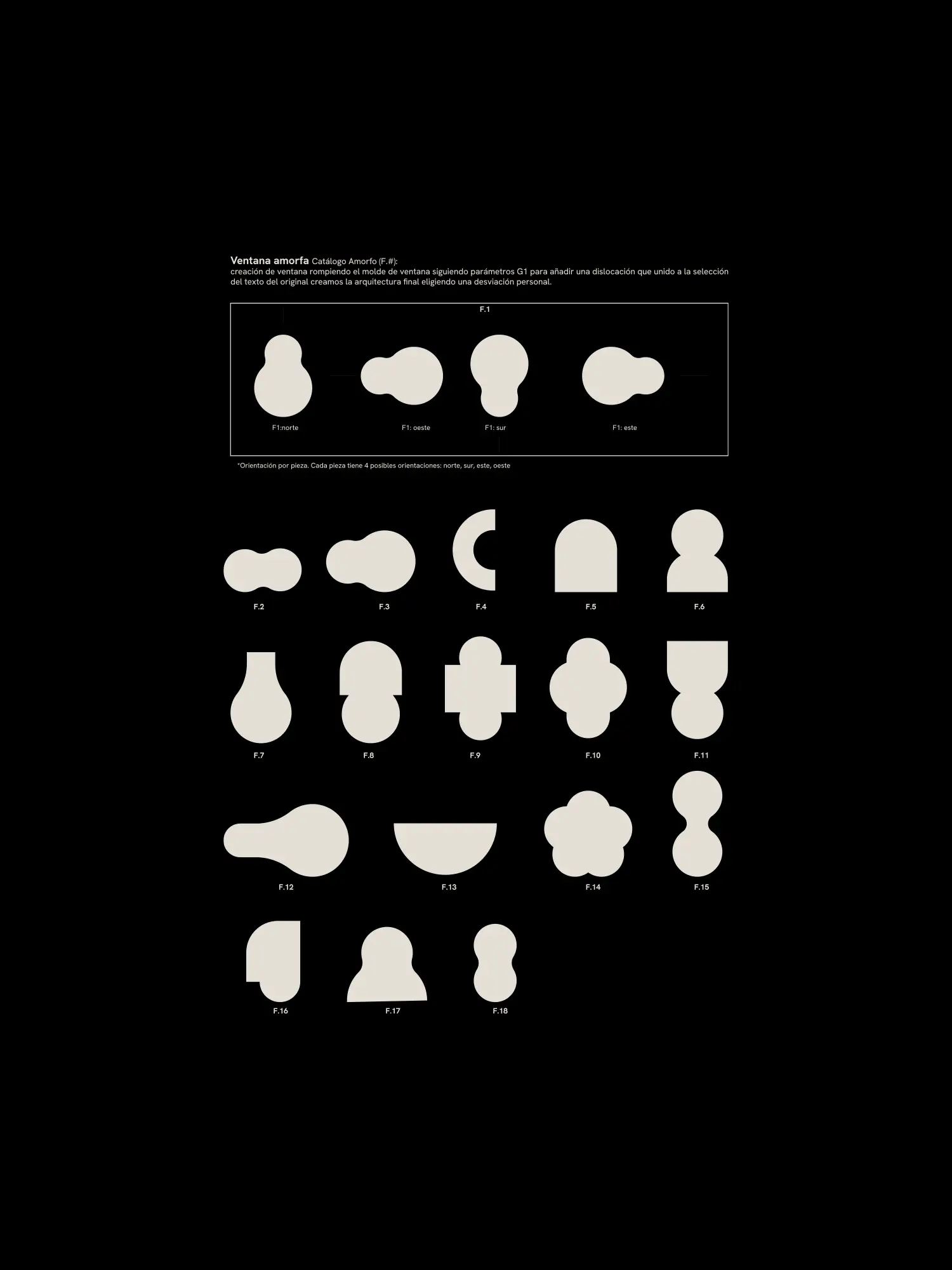
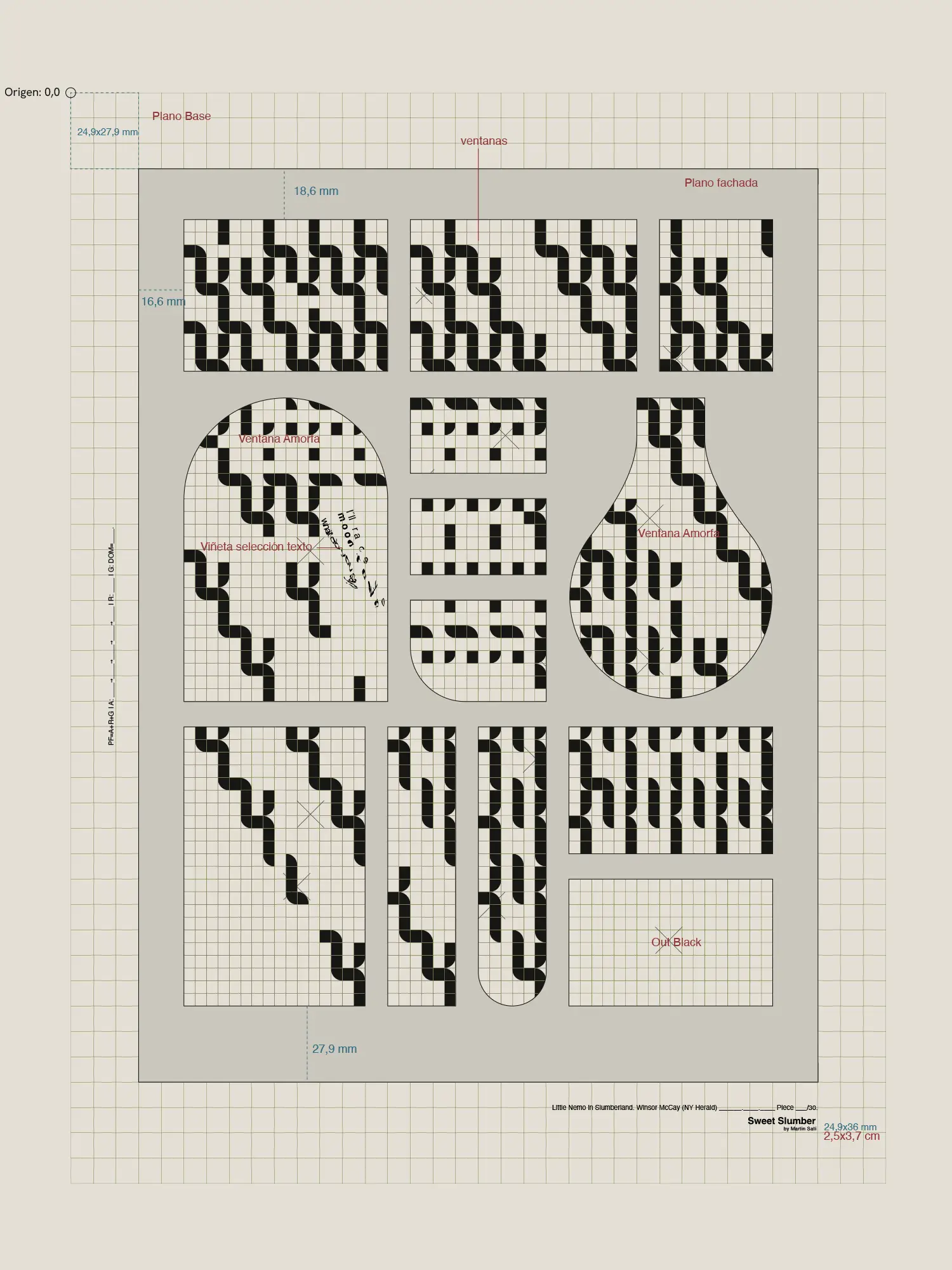
With this project, the focus is on the window as a structural unit, and on dreaming as an imaginary force that shifts the architectural support. The work is set up as a Base Plane—the story McCay tells—and a Facade Plane, referring to the frame or windows of the comic.
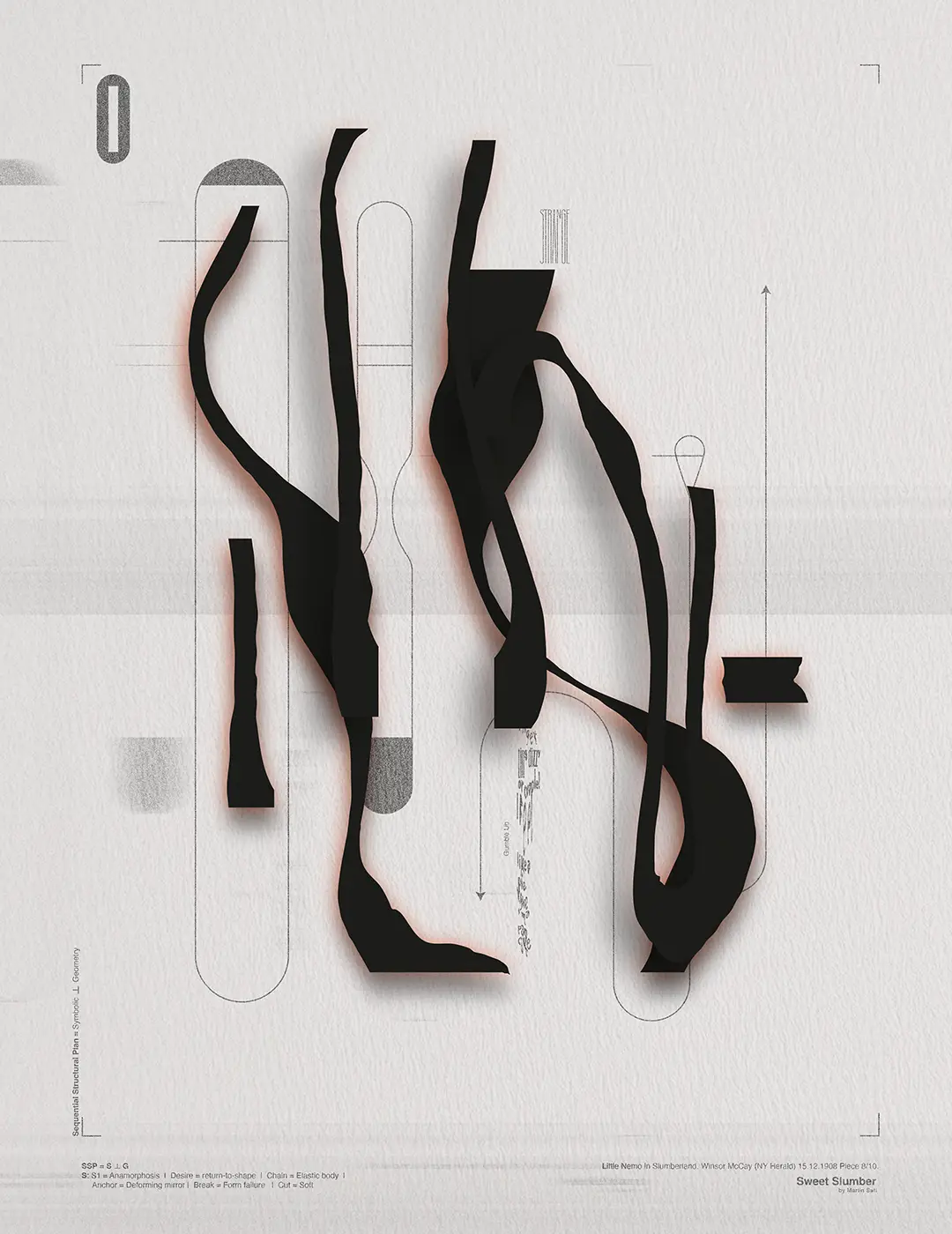
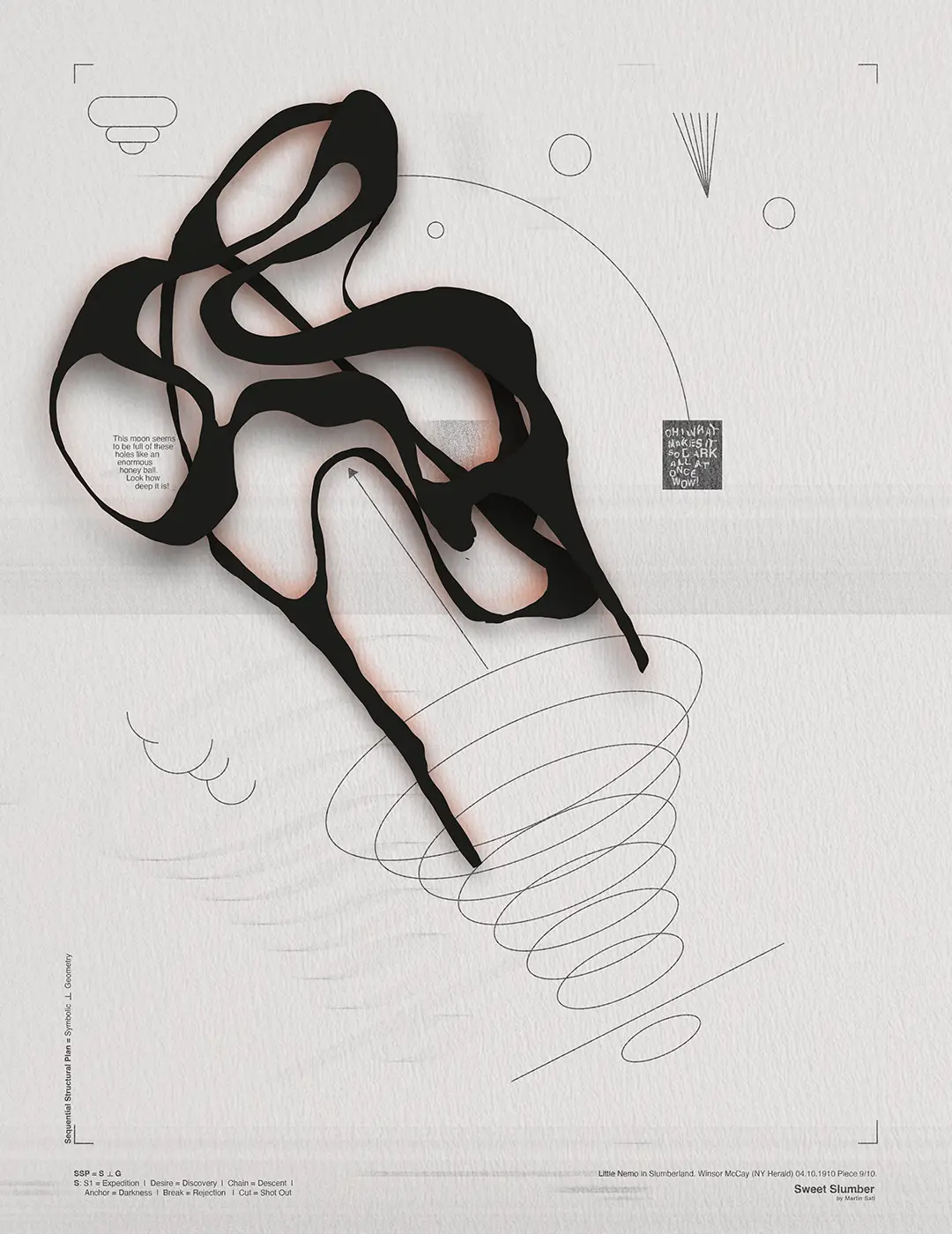
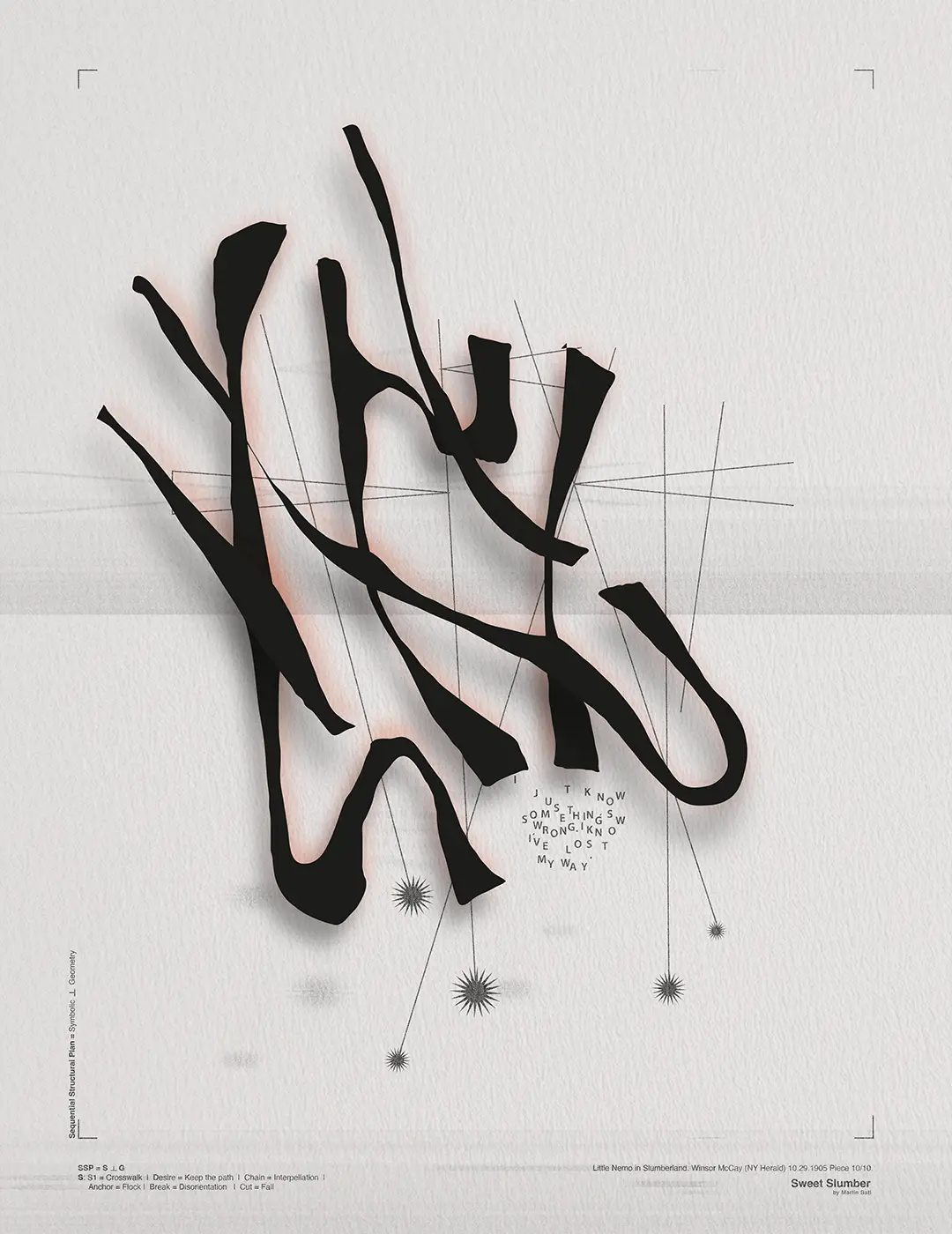
From there, the project follows a concrete idea: the Structural Sequence Plan is the symbolic as a power that moves geometry. [SSP = S ⟂ G]. The panel stops being a container for images and becomes an operative void. The comic has a kind of parametric language architecture, integrating rhythm and affect into its geometry in a way that modifies its structure. Its syntax is organized around: module, void, drift, otherness, and rhythm—each with parameters that cause the grid to shift according to the story.
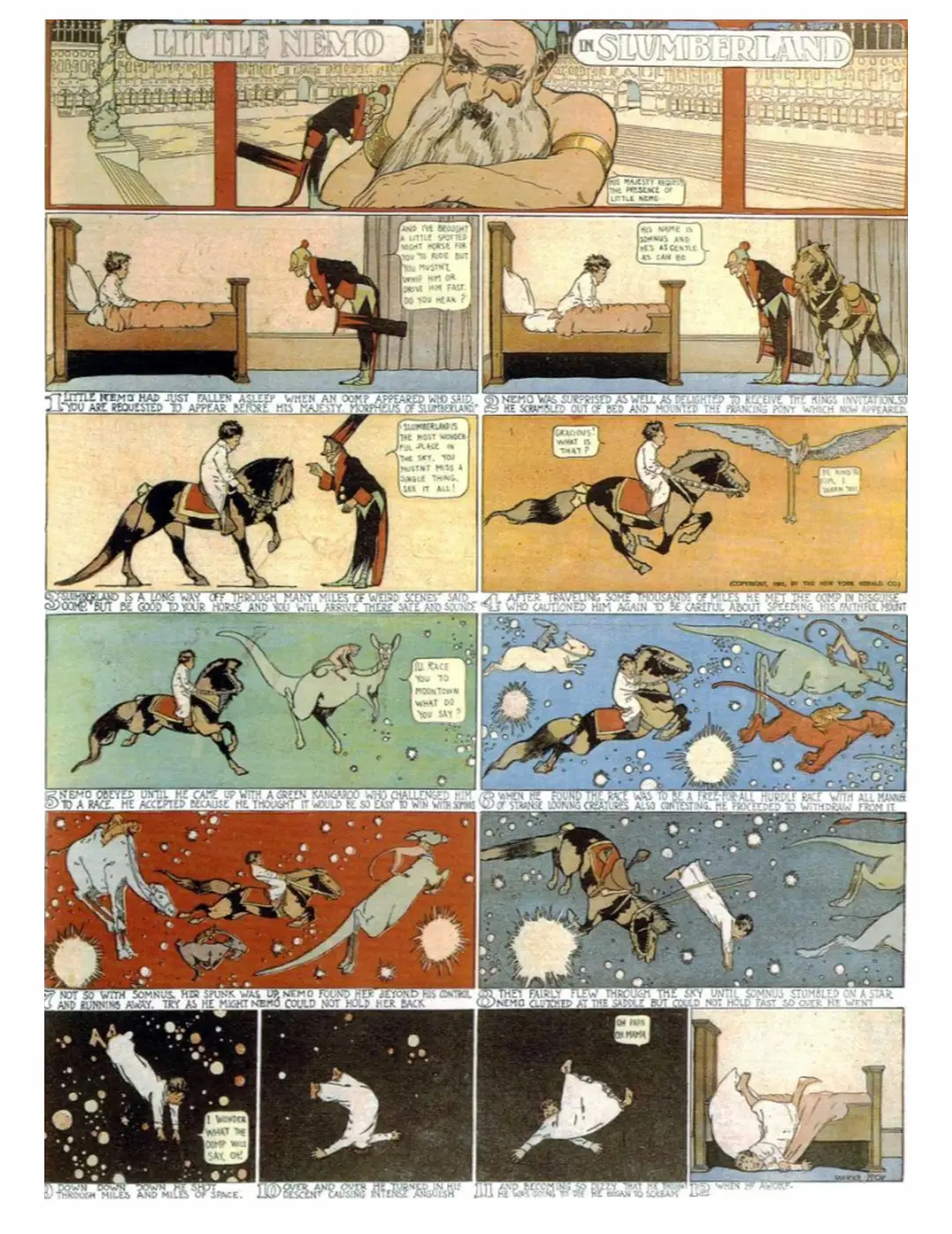
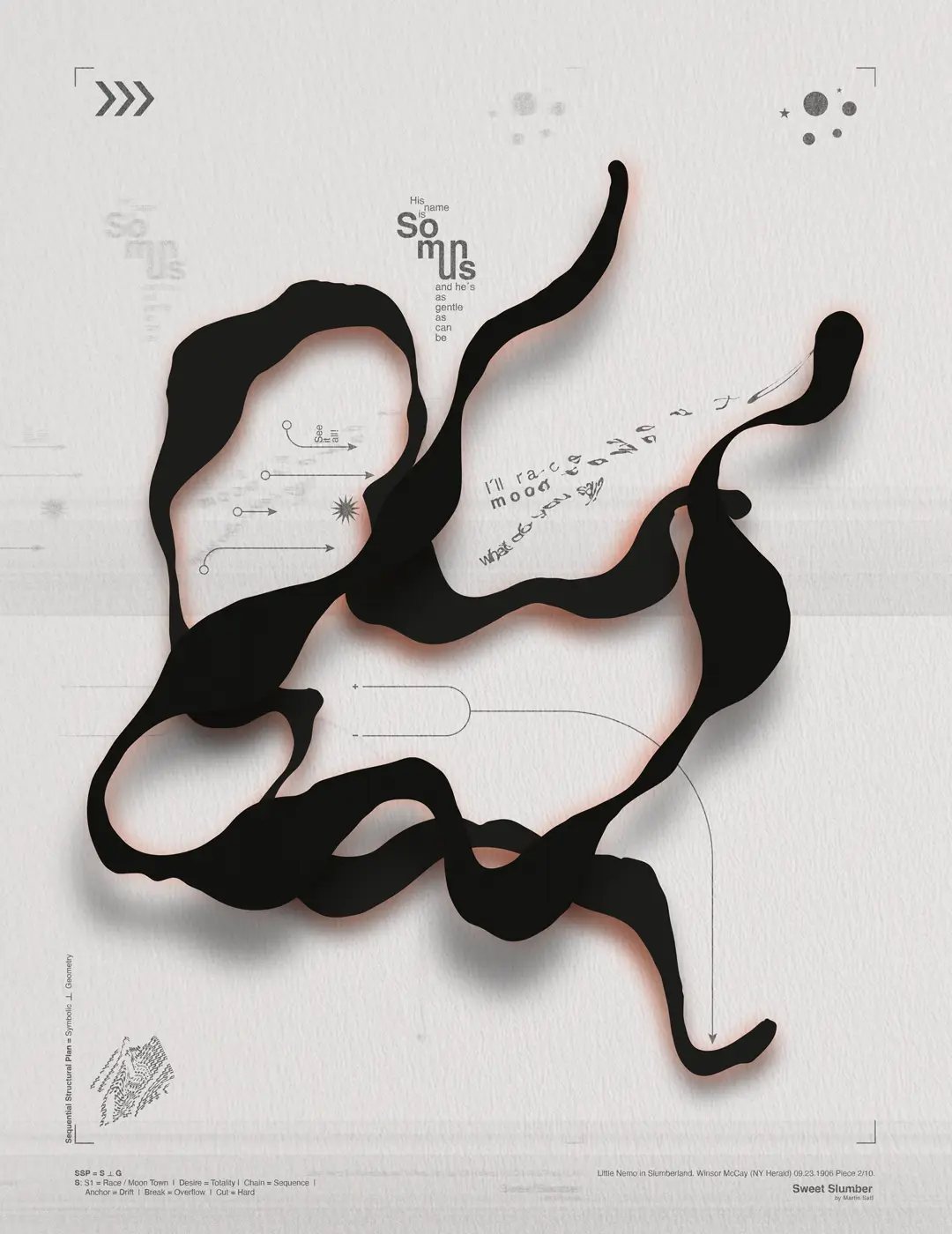
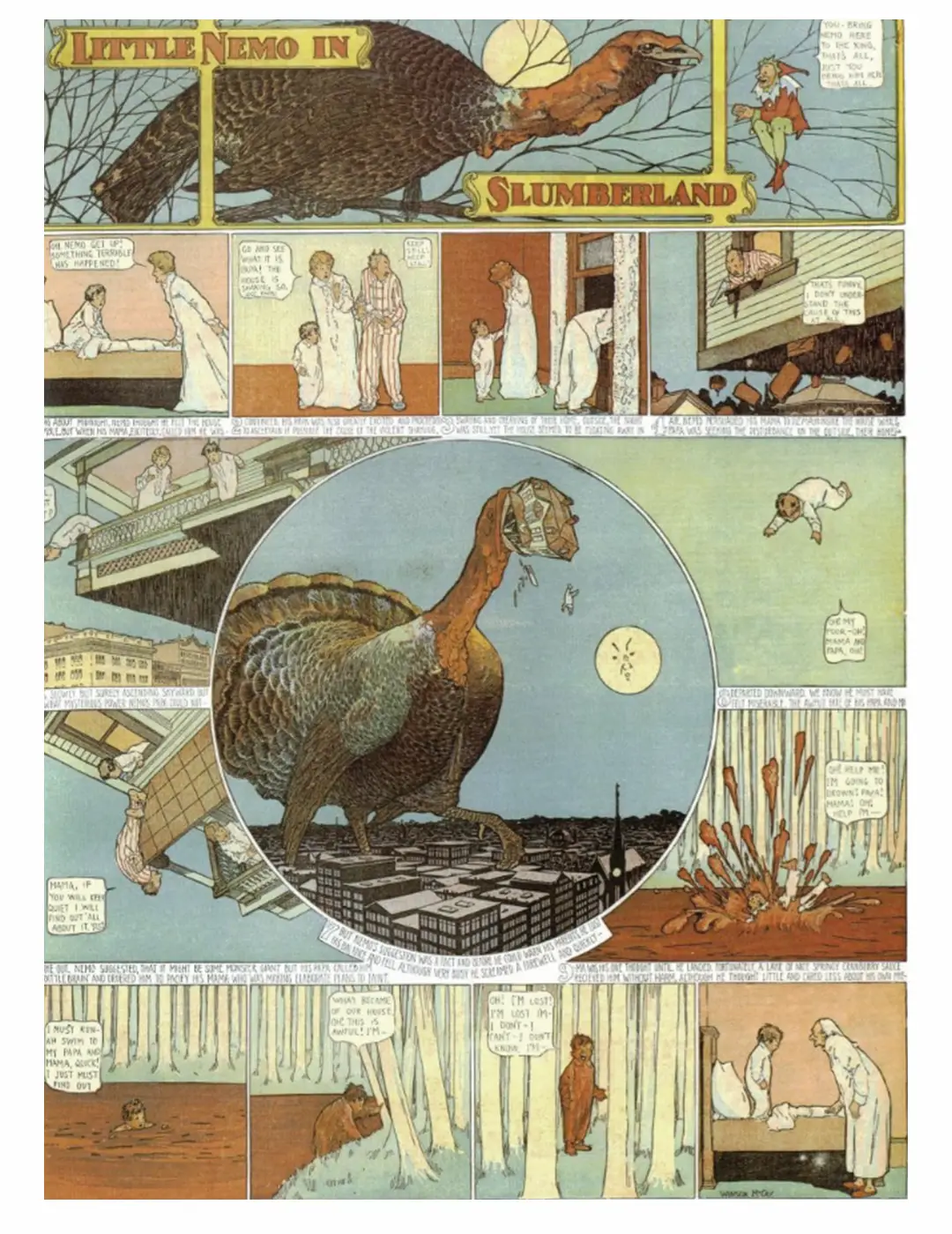
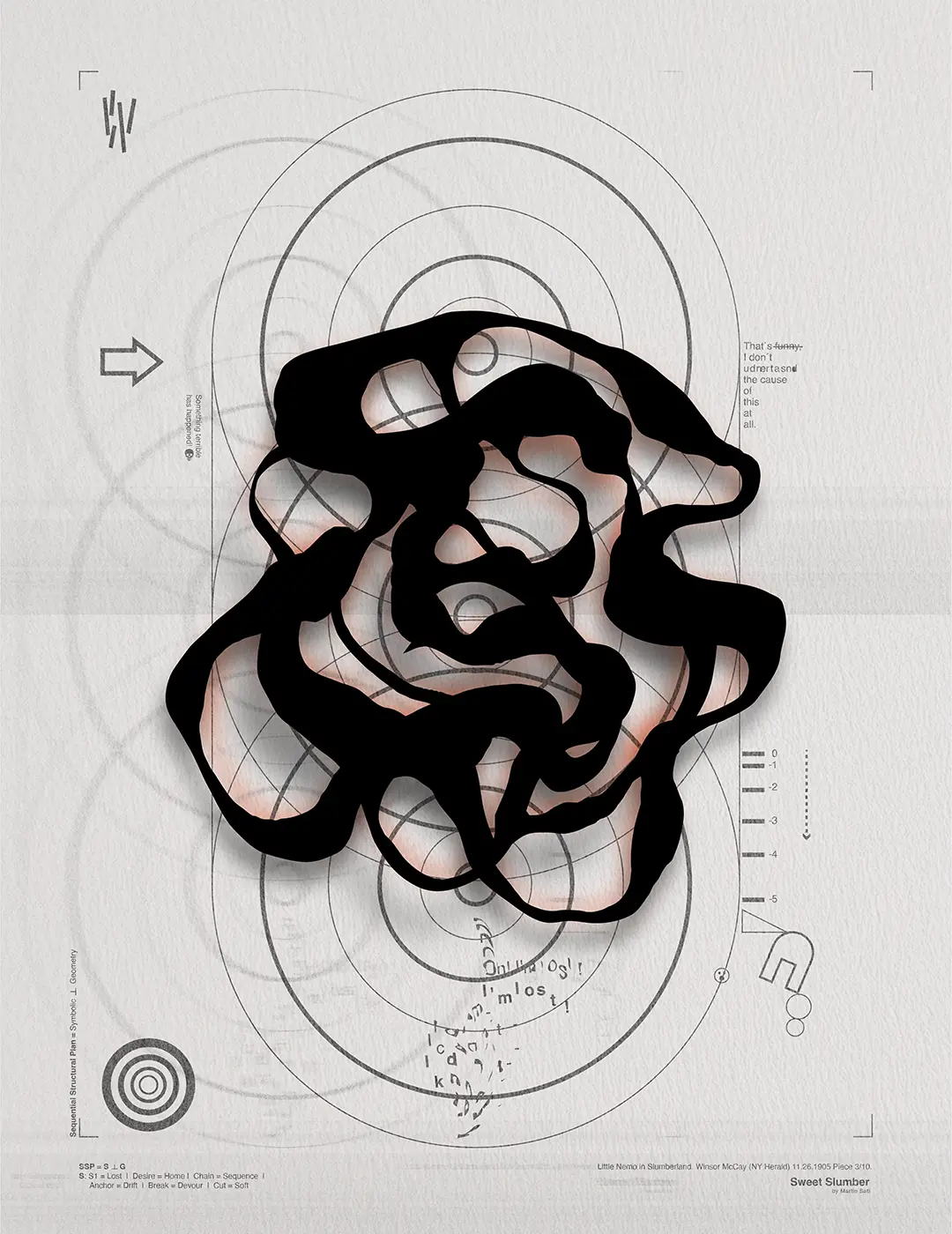
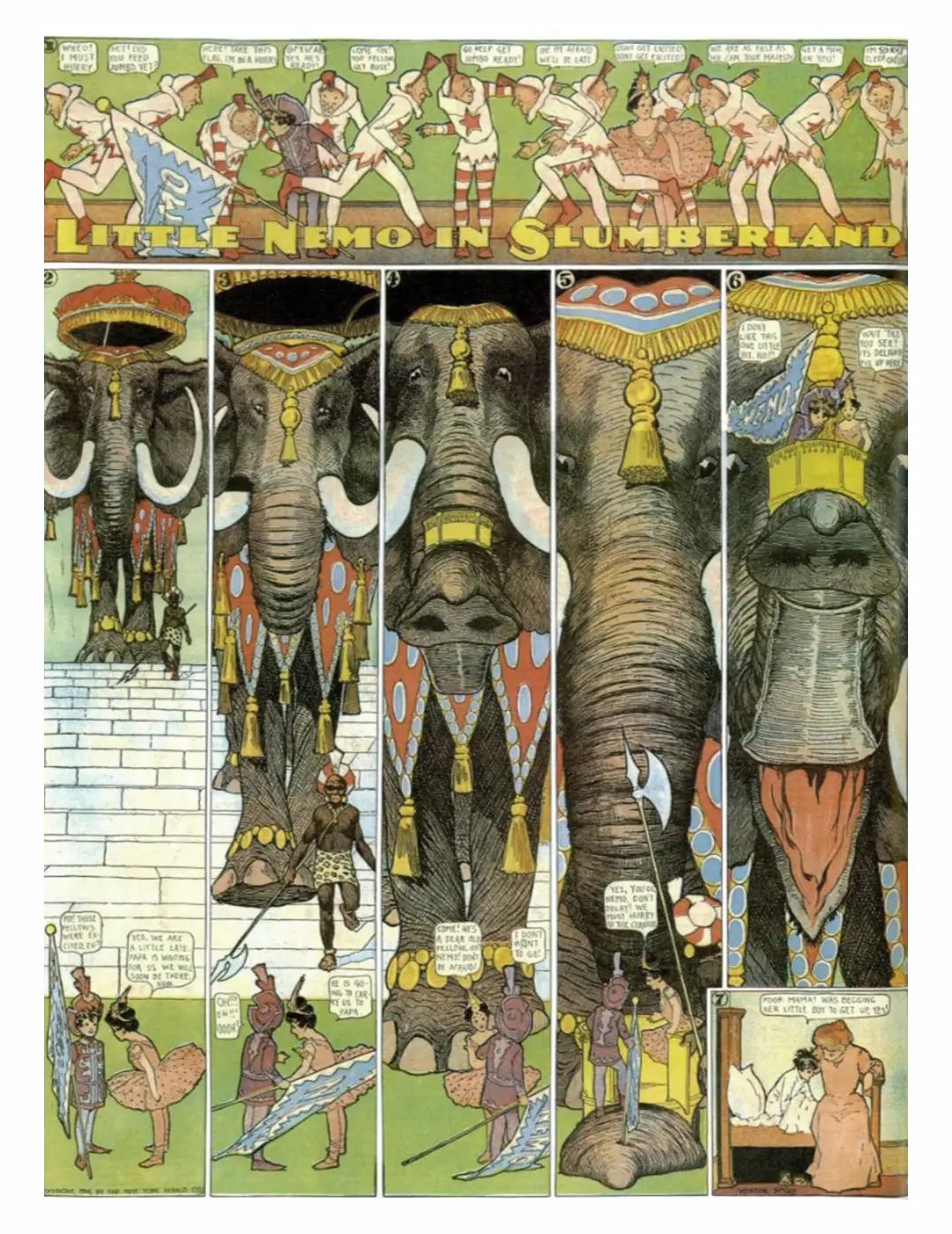


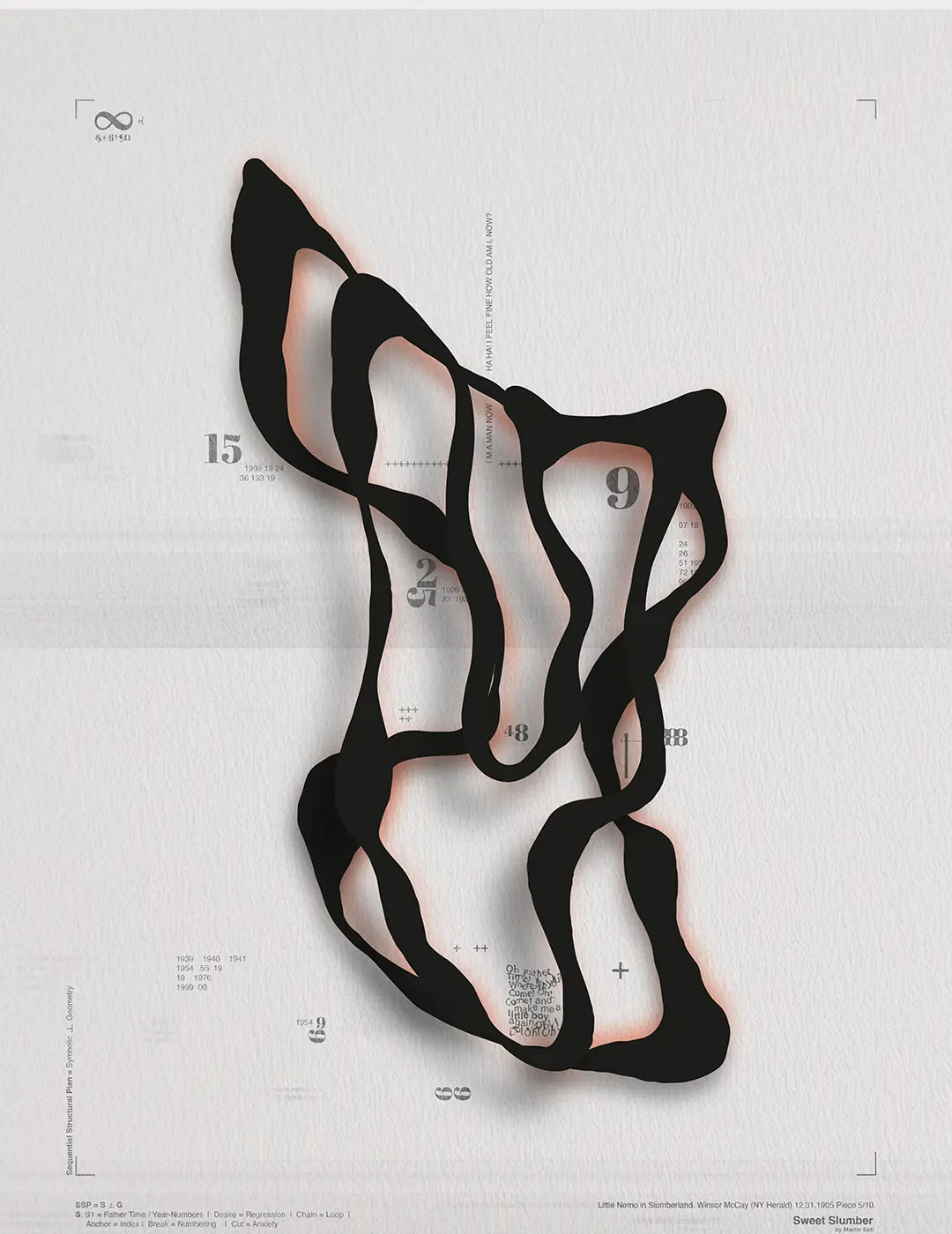
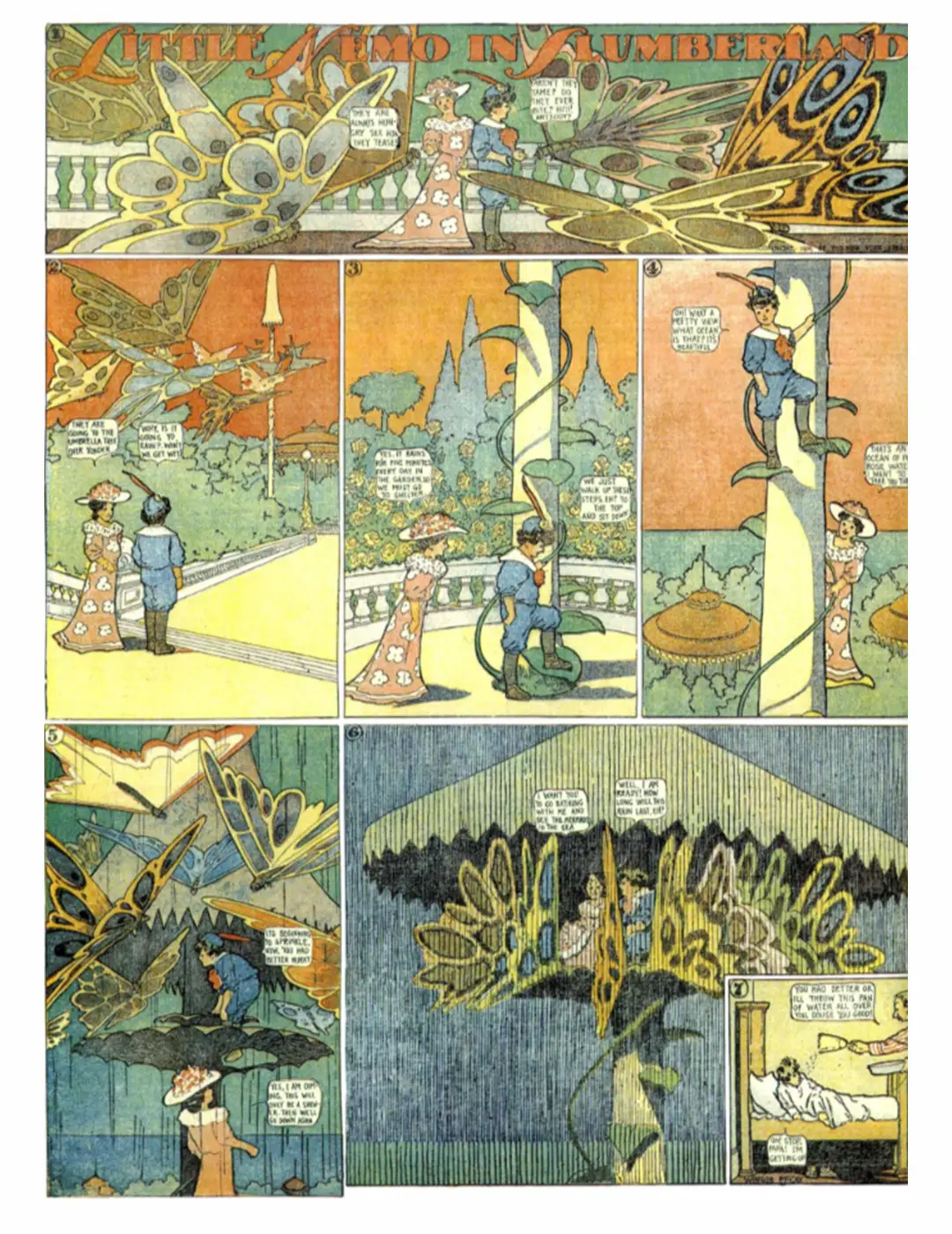
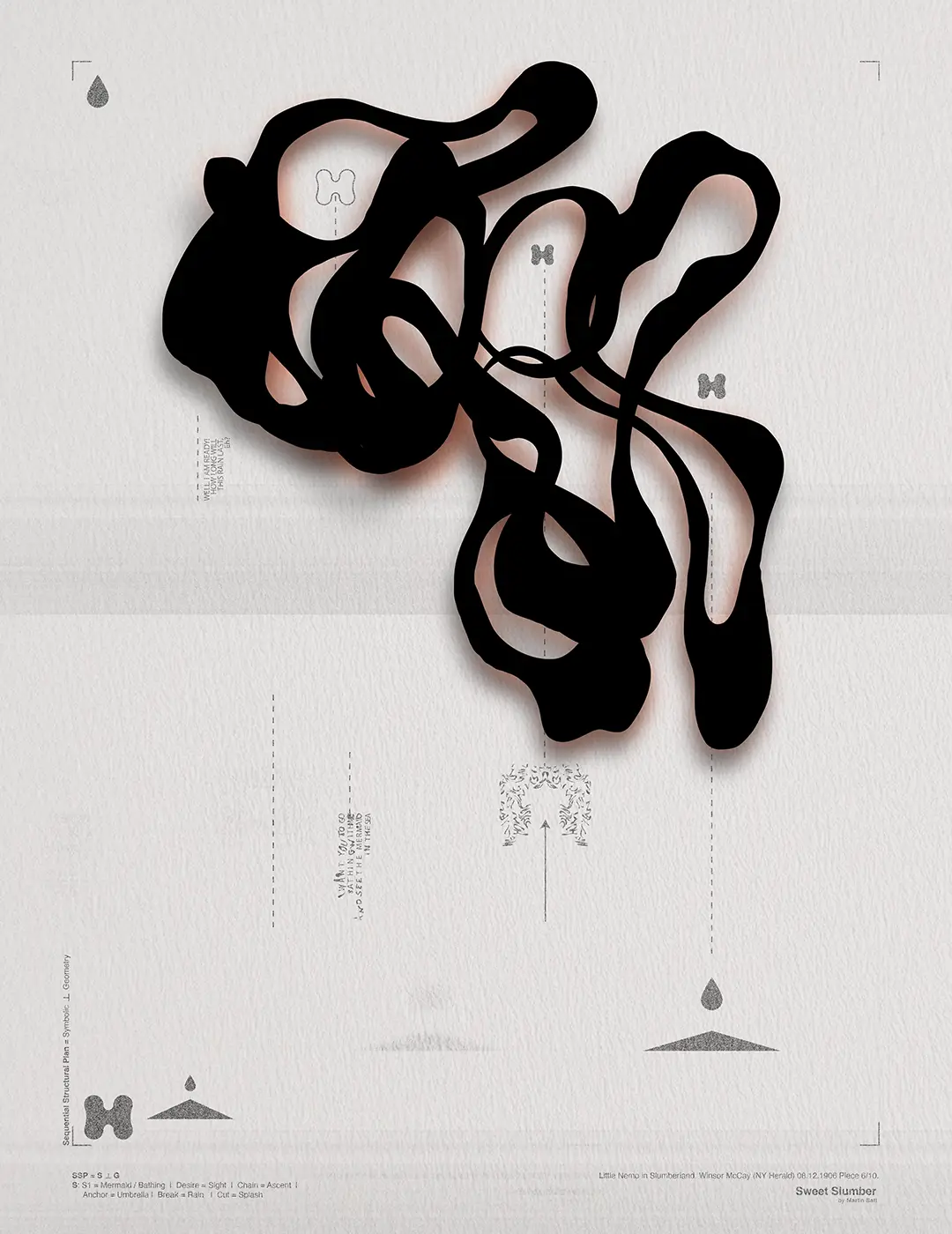
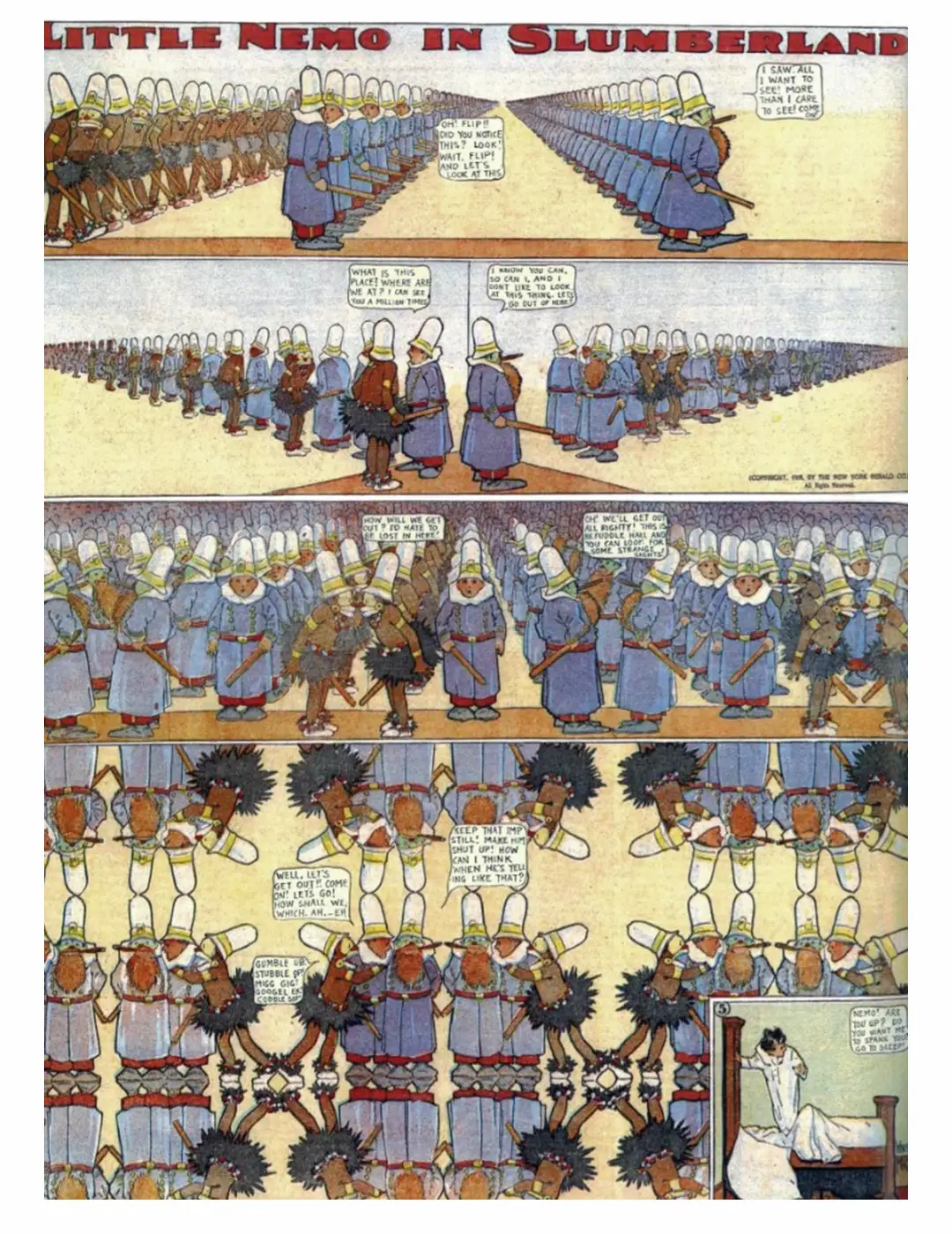
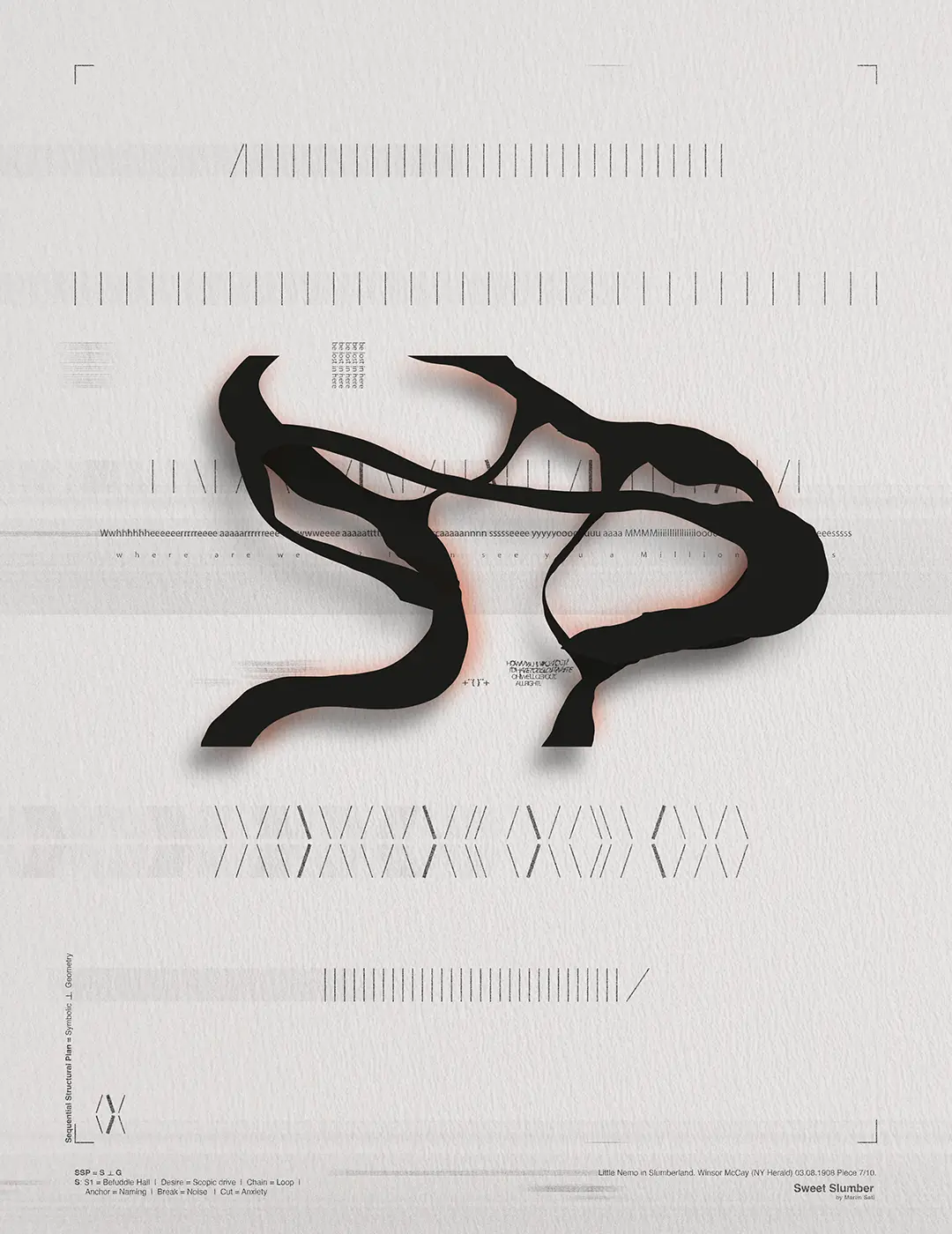
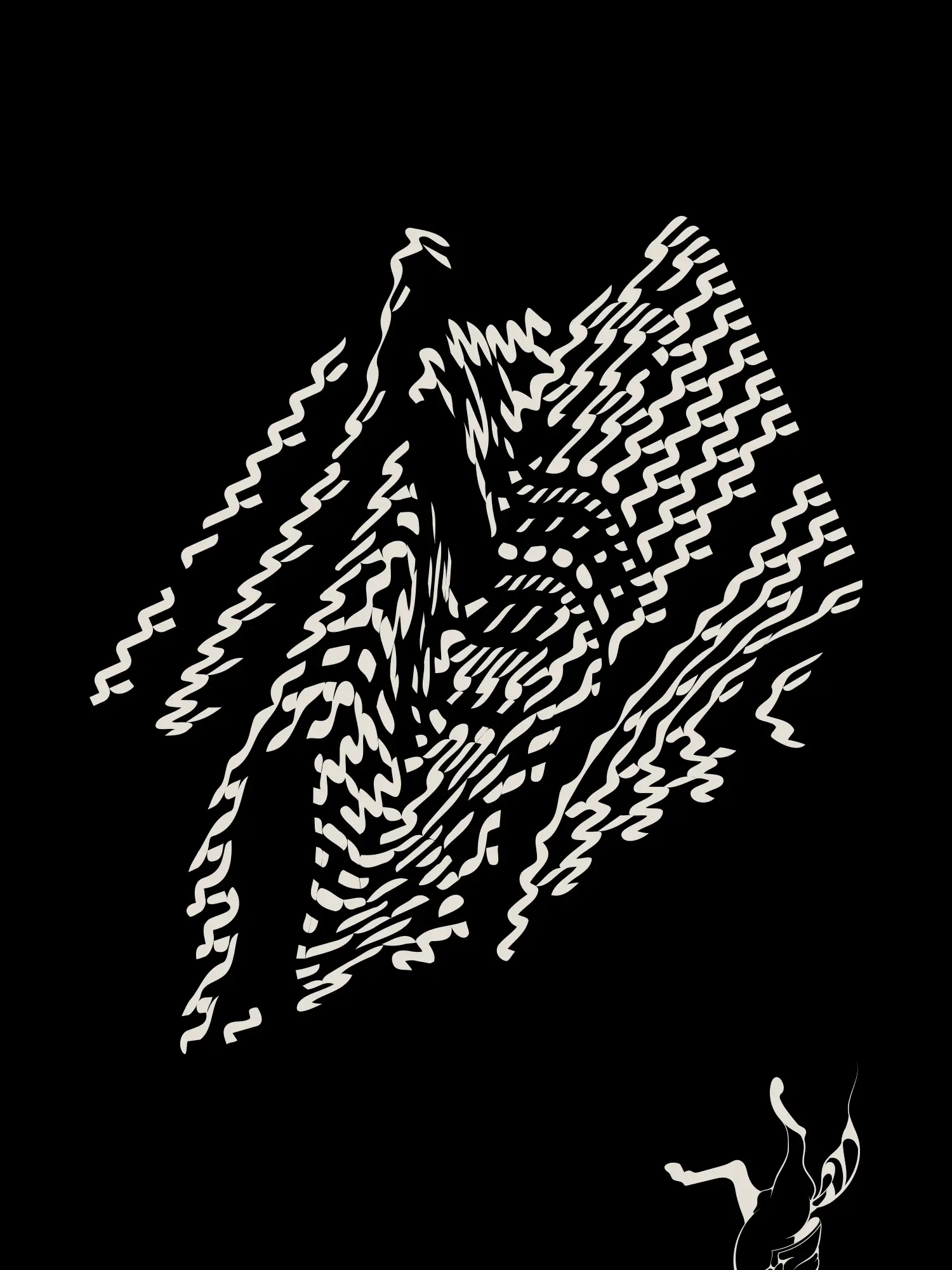
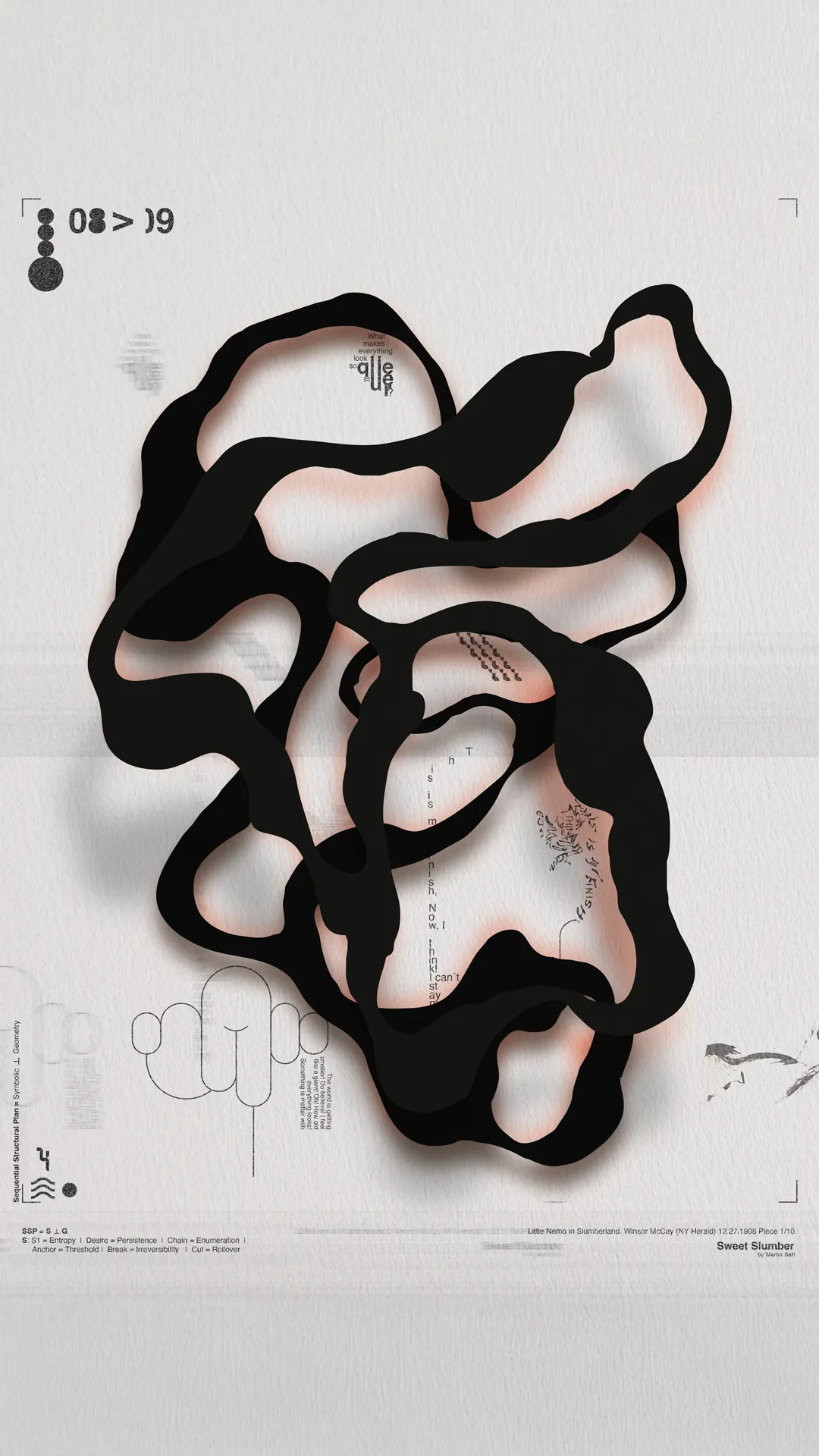
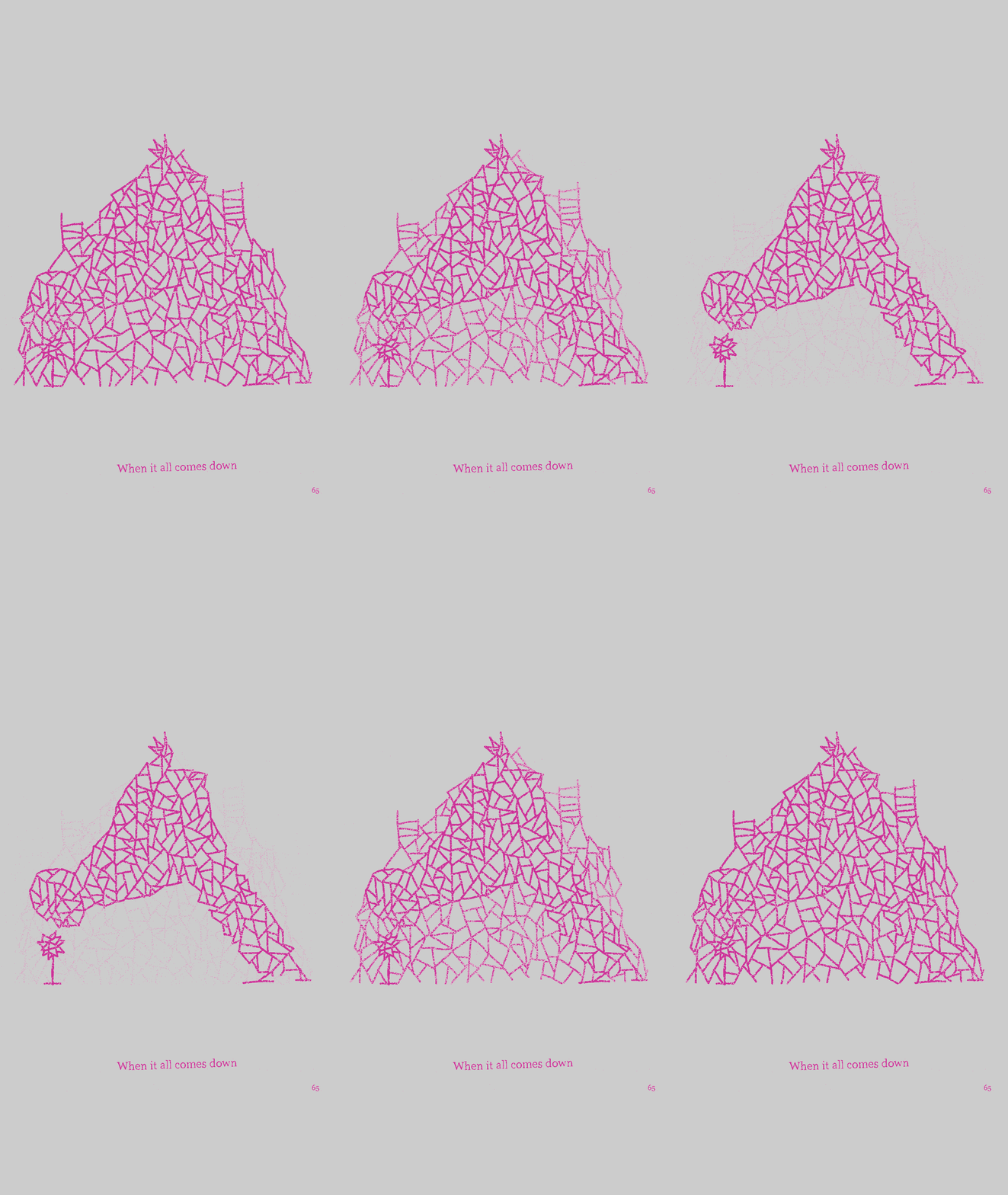
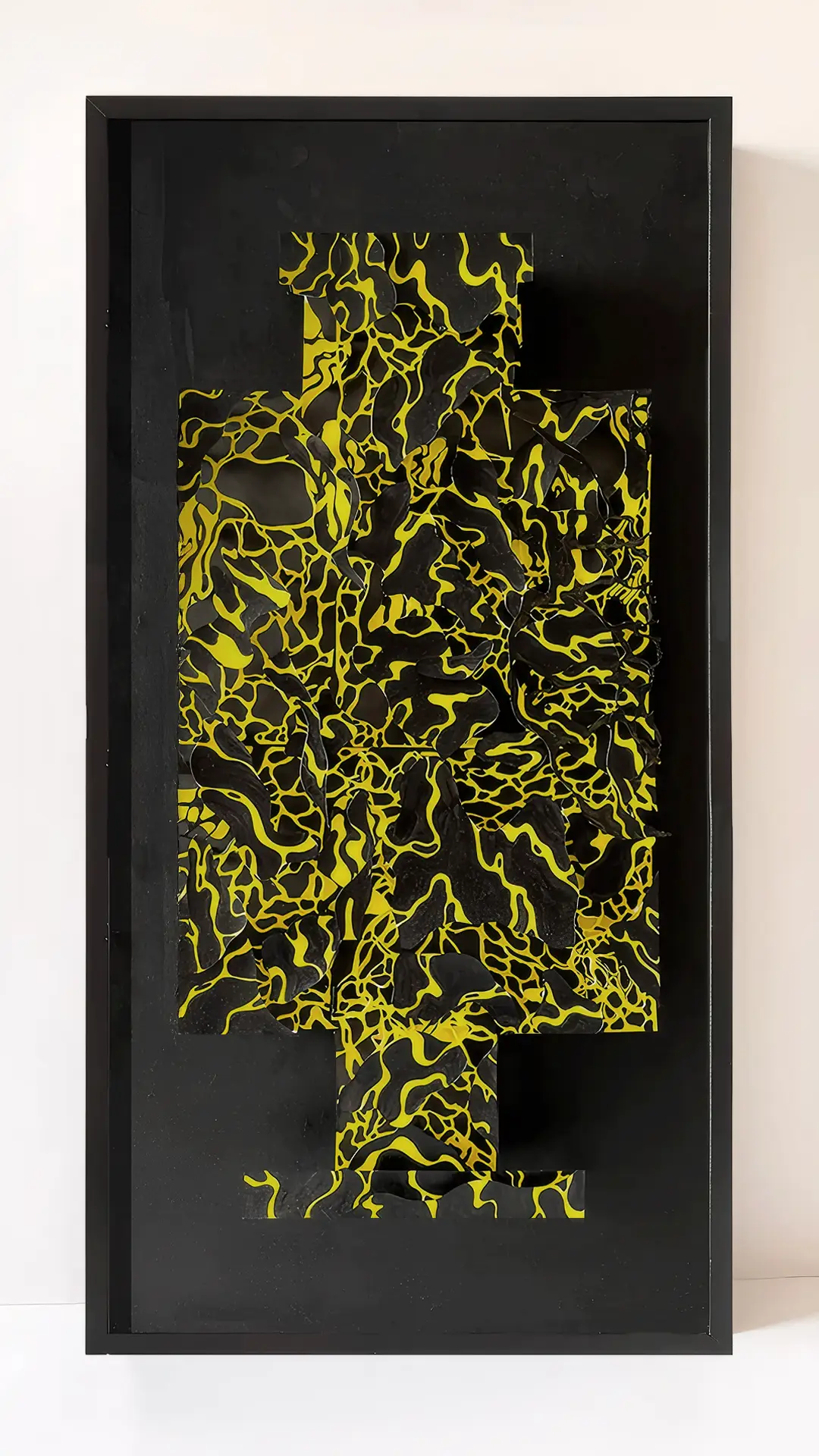
Each piece in Sweet Slumber is therefore a specific reading of a different Little Nemo page. The reading is made by “drawing its functioning”: its rhythm, repetitions, cuts, and the way it speeds time up or stretches it out.
Here, the floor matters. In Little Nemo, the floor is a constant trap: it sinks, shifts, turns into stairs, a bed, an abyss. It is an anchor that seems firm and suddenly isn’t. A storm that sweeps everything away—ending with the dawn of an island, the agitated remnants of a shipwreck, and not quite remembering what happened.
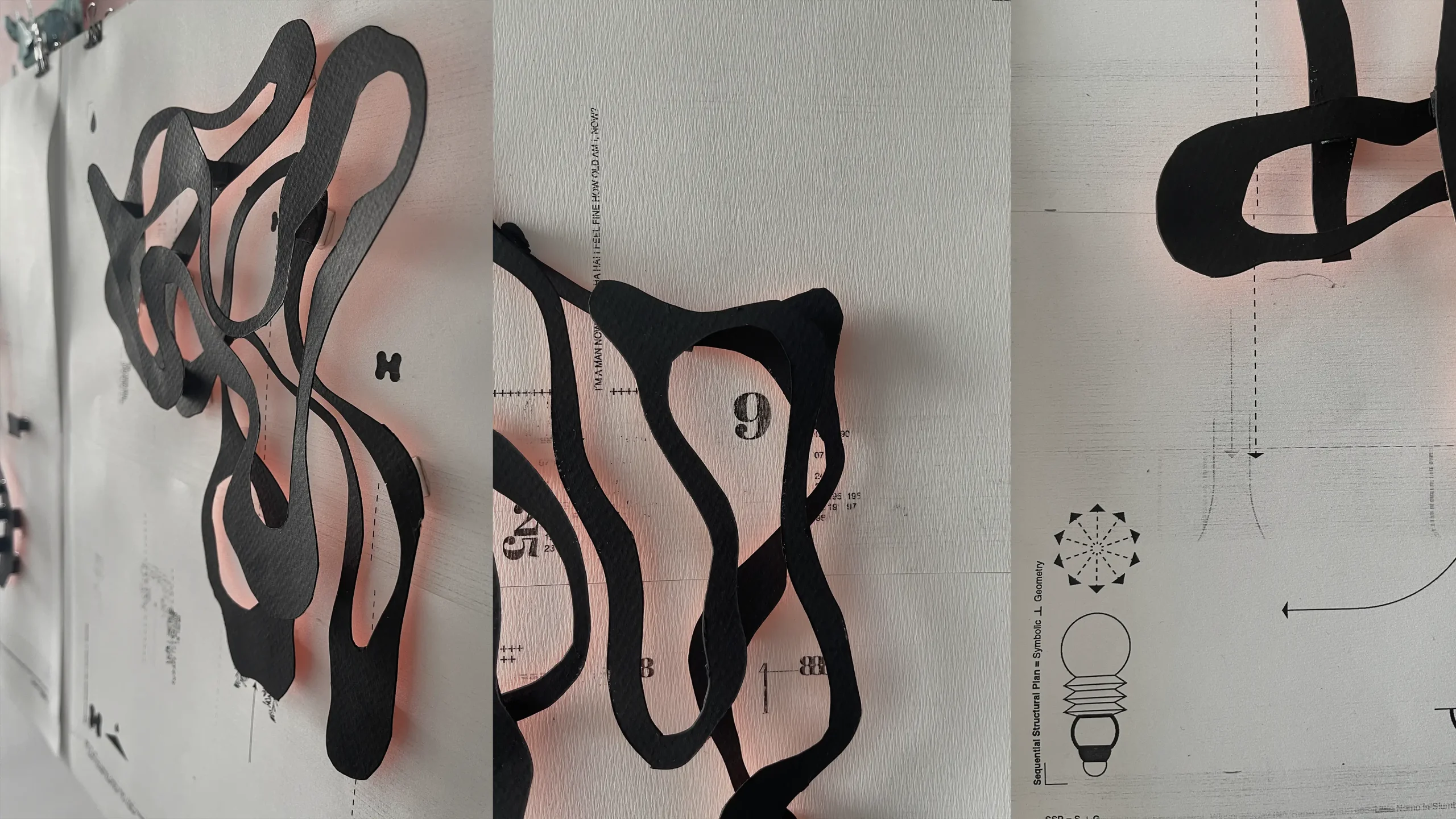
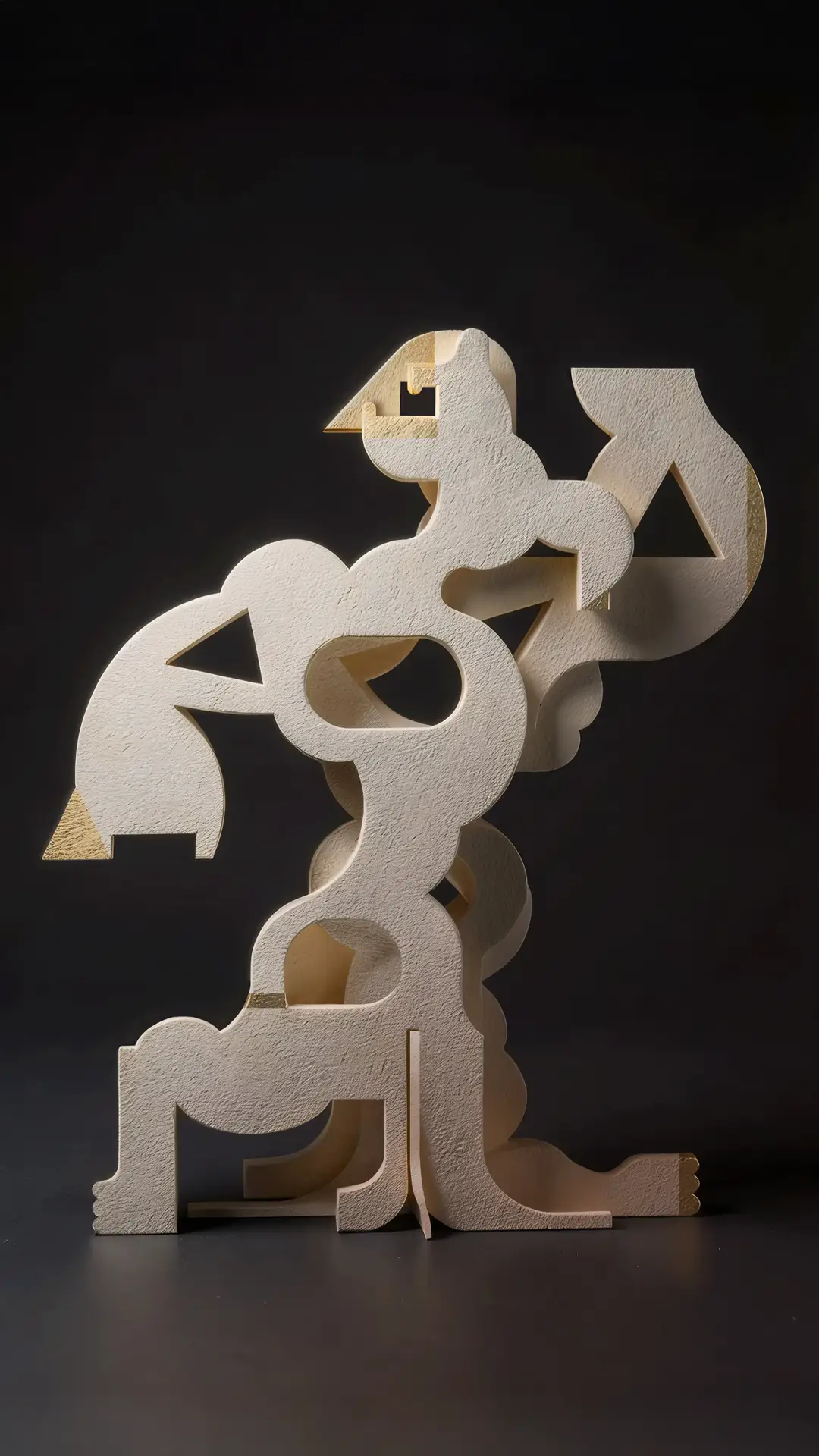
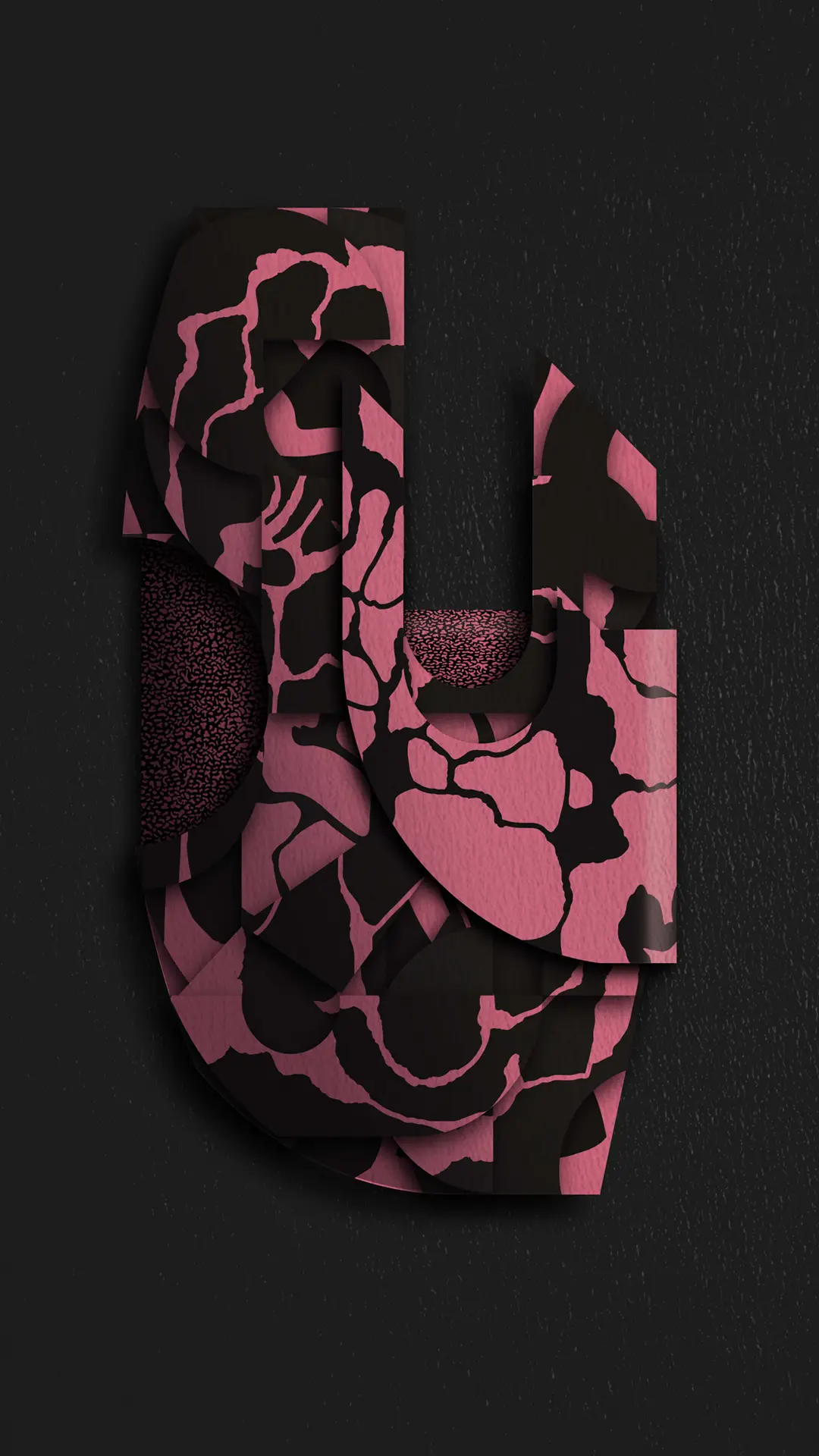
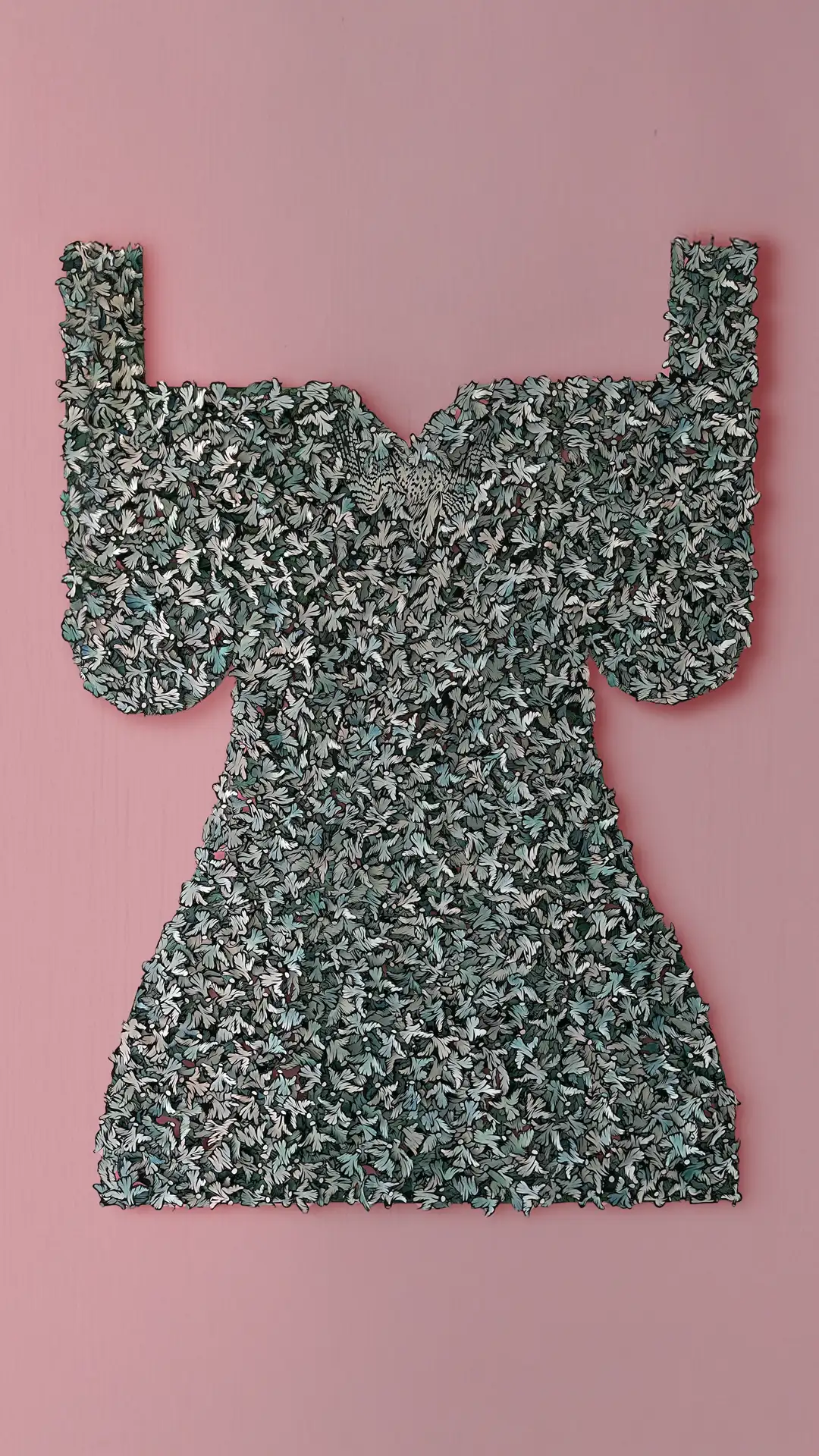
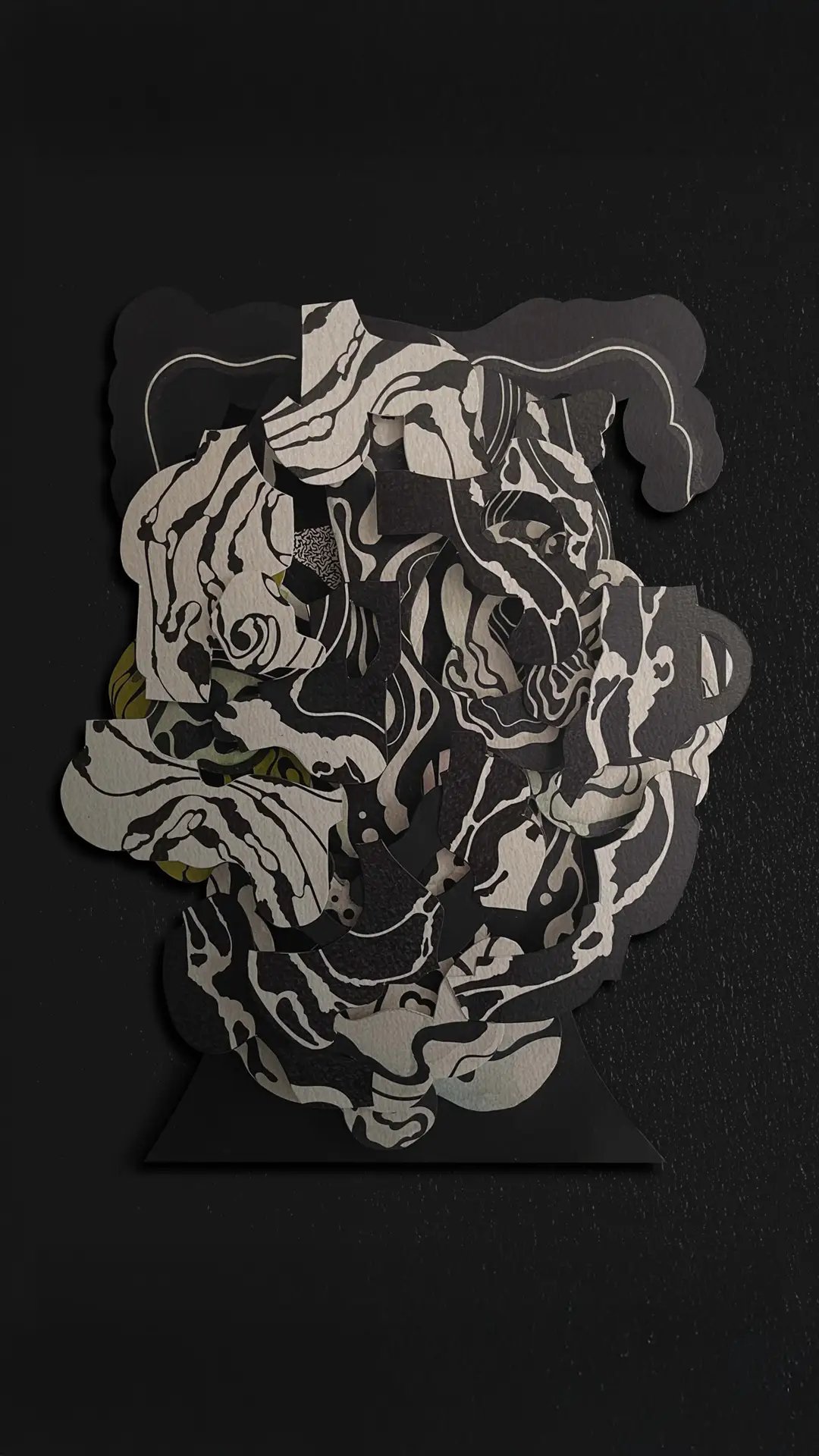
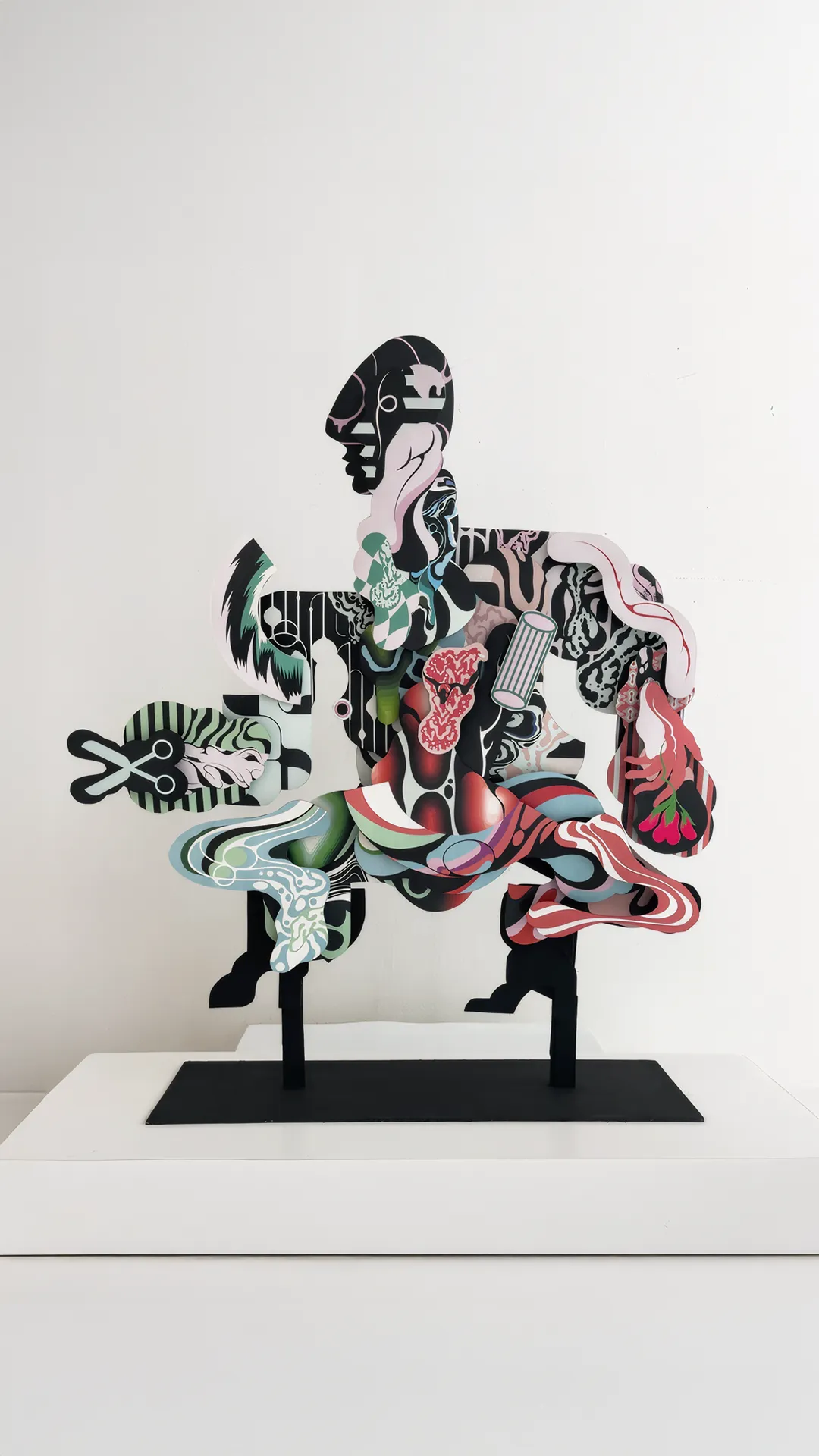
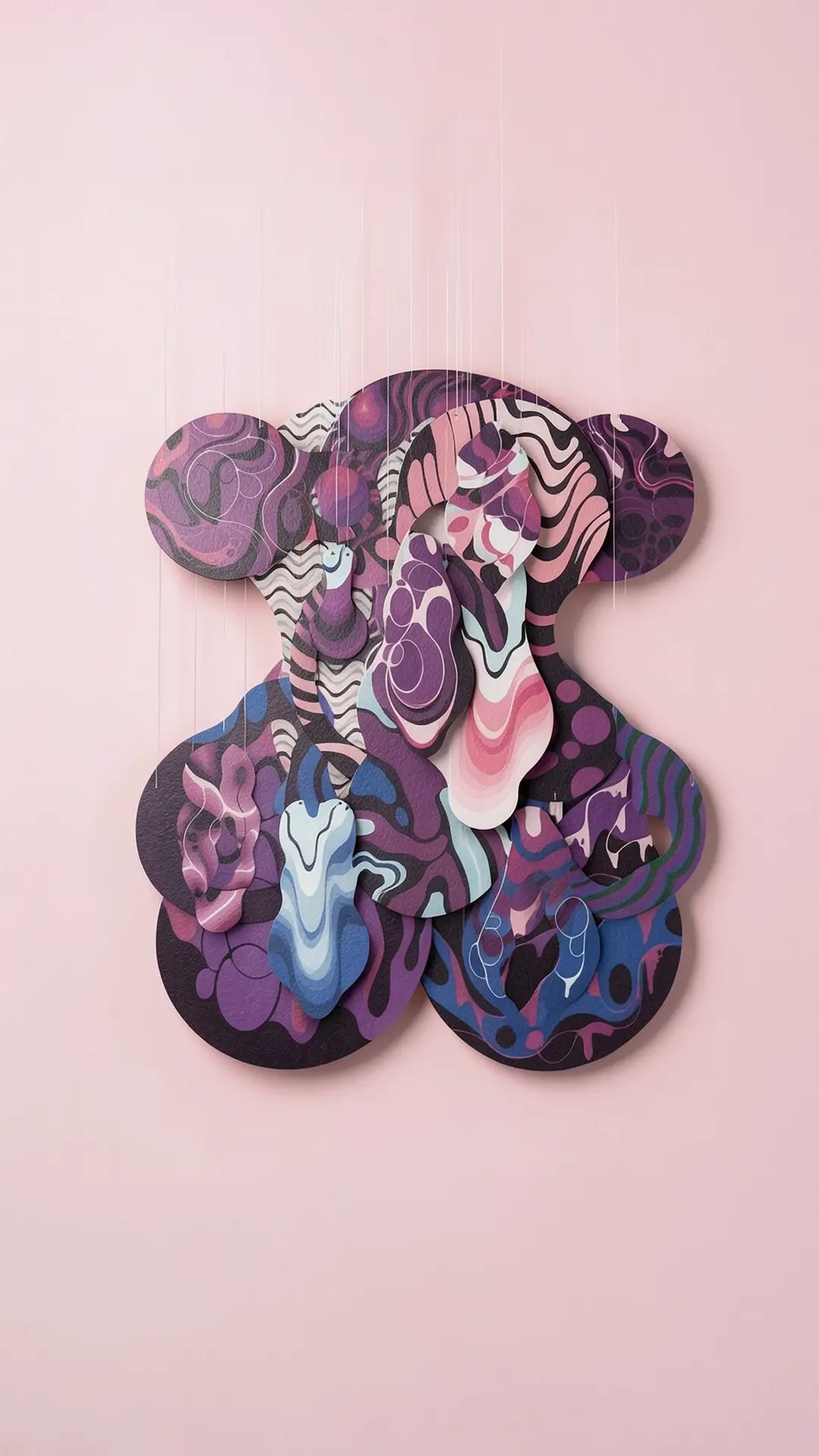
Limited series of 10 drawings (one piece per reading / one page per work), printed on an old, faulty laser printer, with hand-cut paper fragments painted by hand in two superimposed layers.
Size: 30 × 40 cm.
< View all work >









martin@martinsati.com
Terms and Conditions
Privacy policy
Copyright © 2026 Martin Satí.