
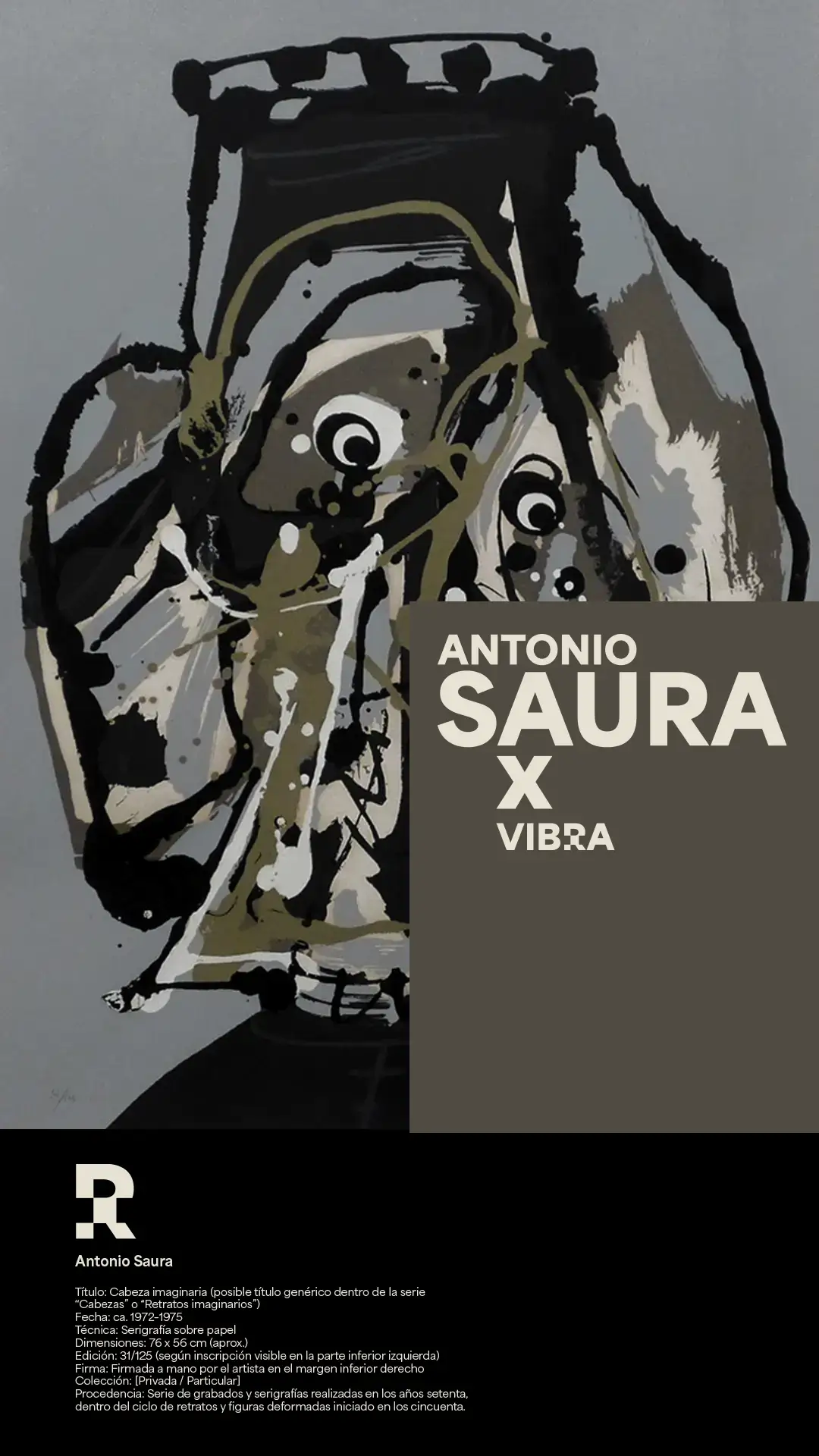
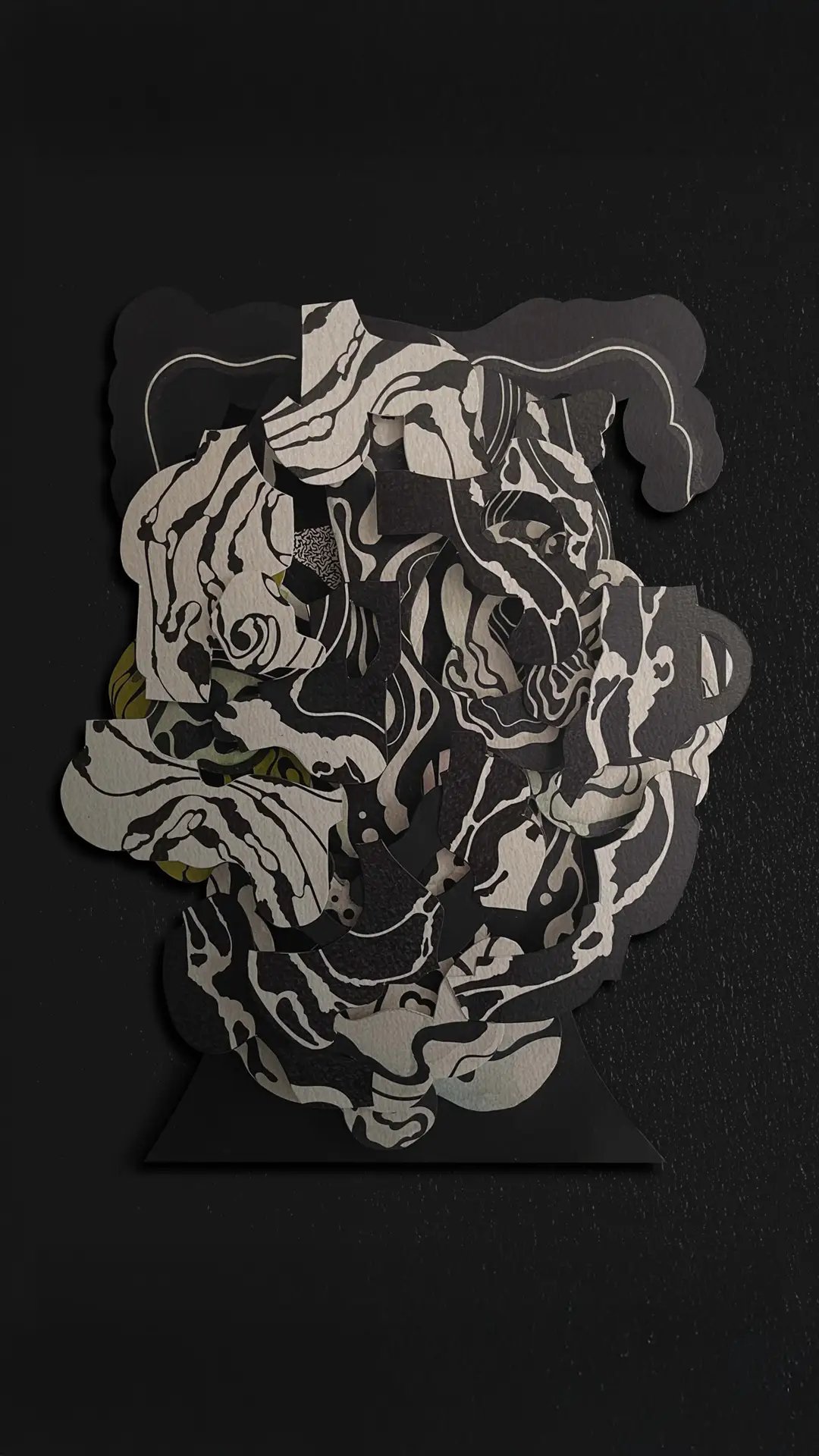
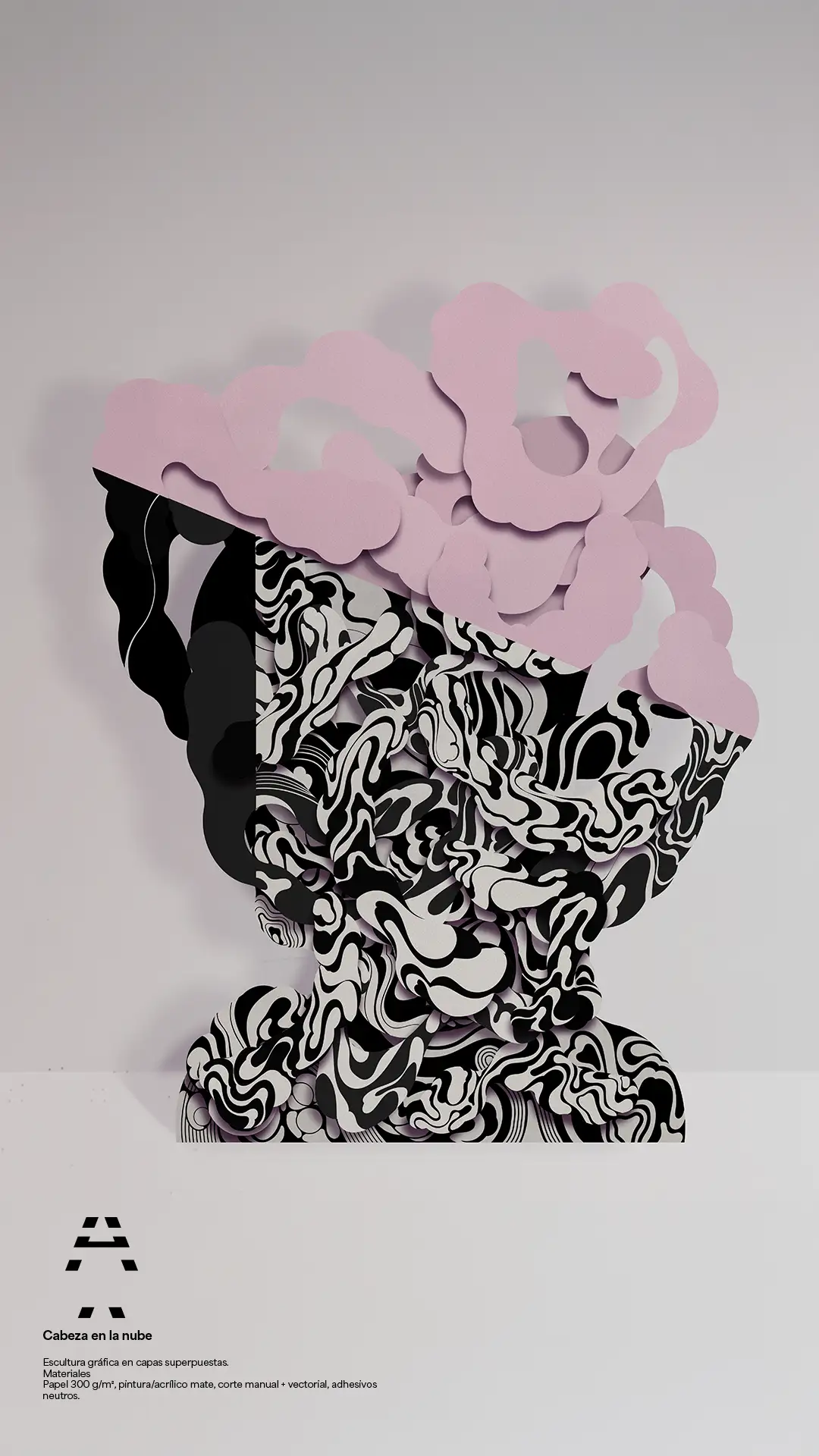
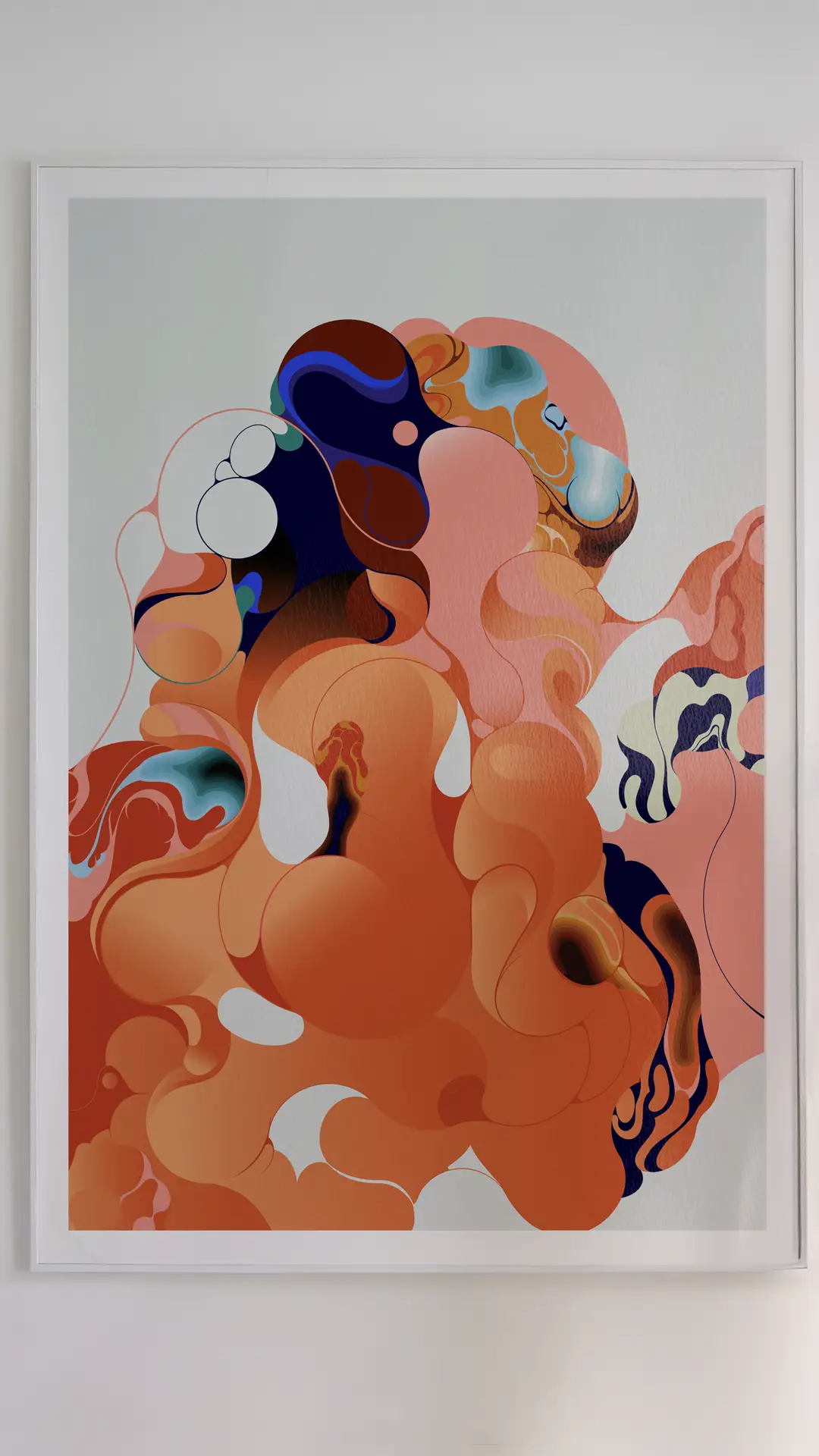
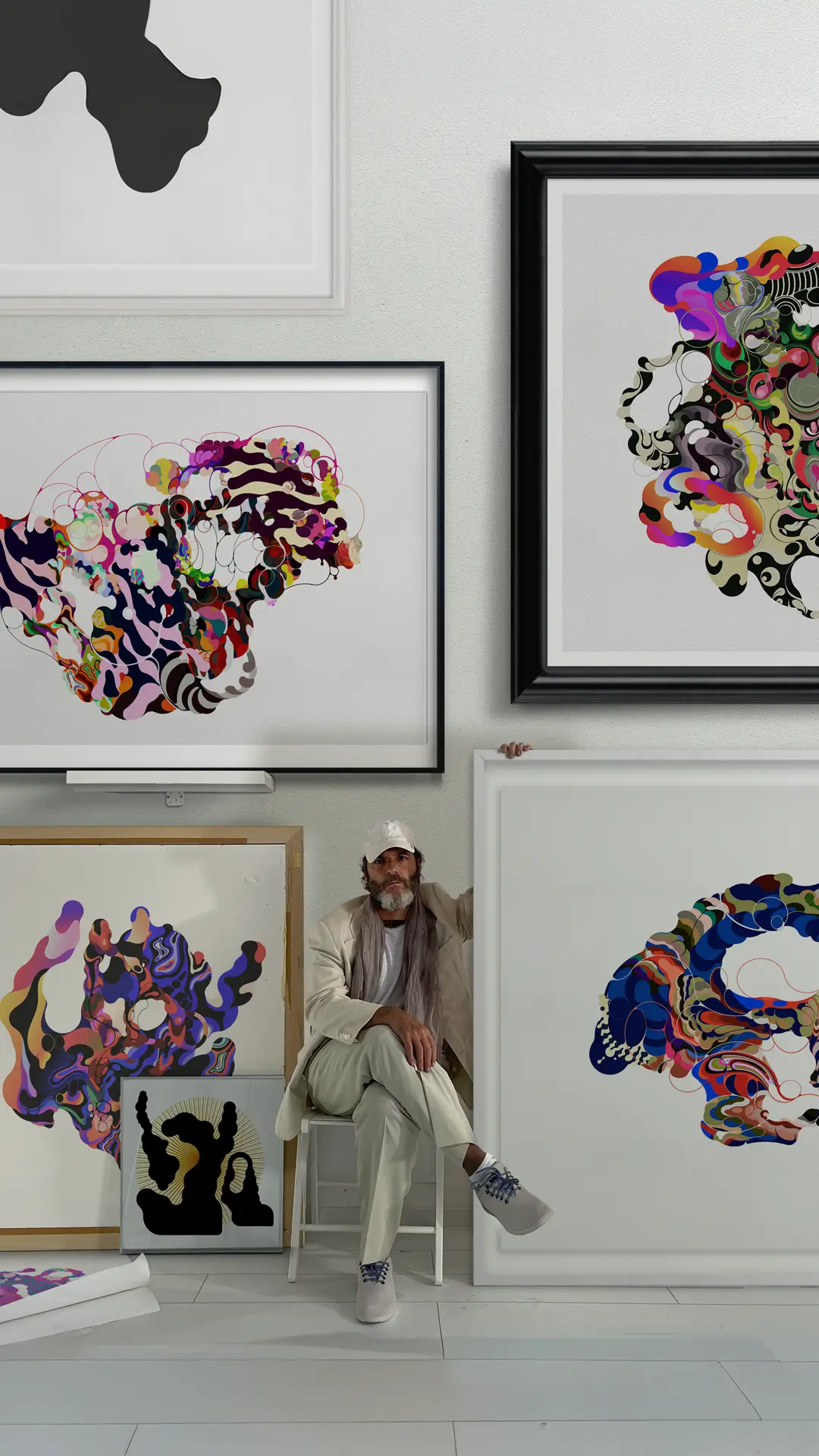
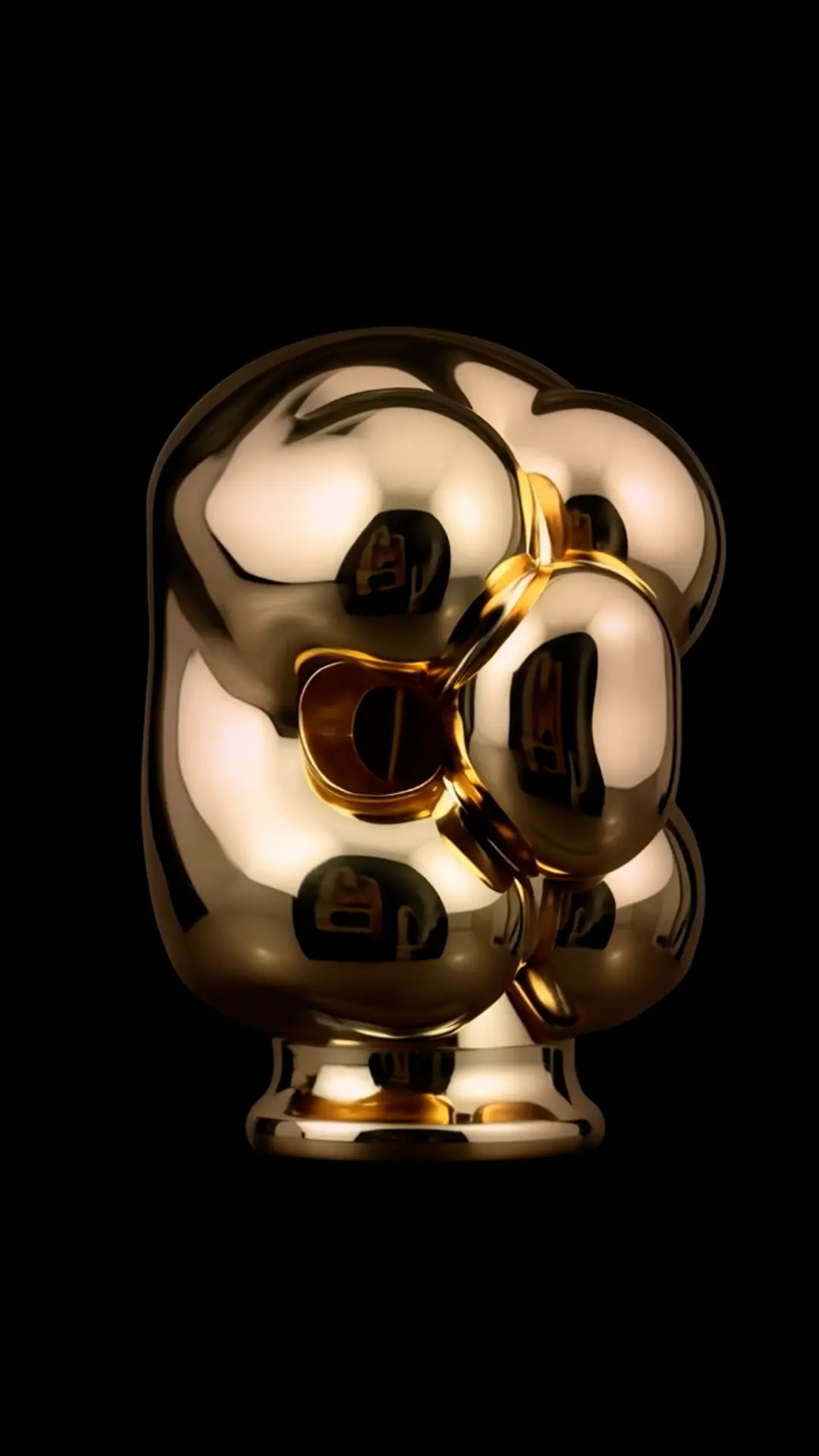
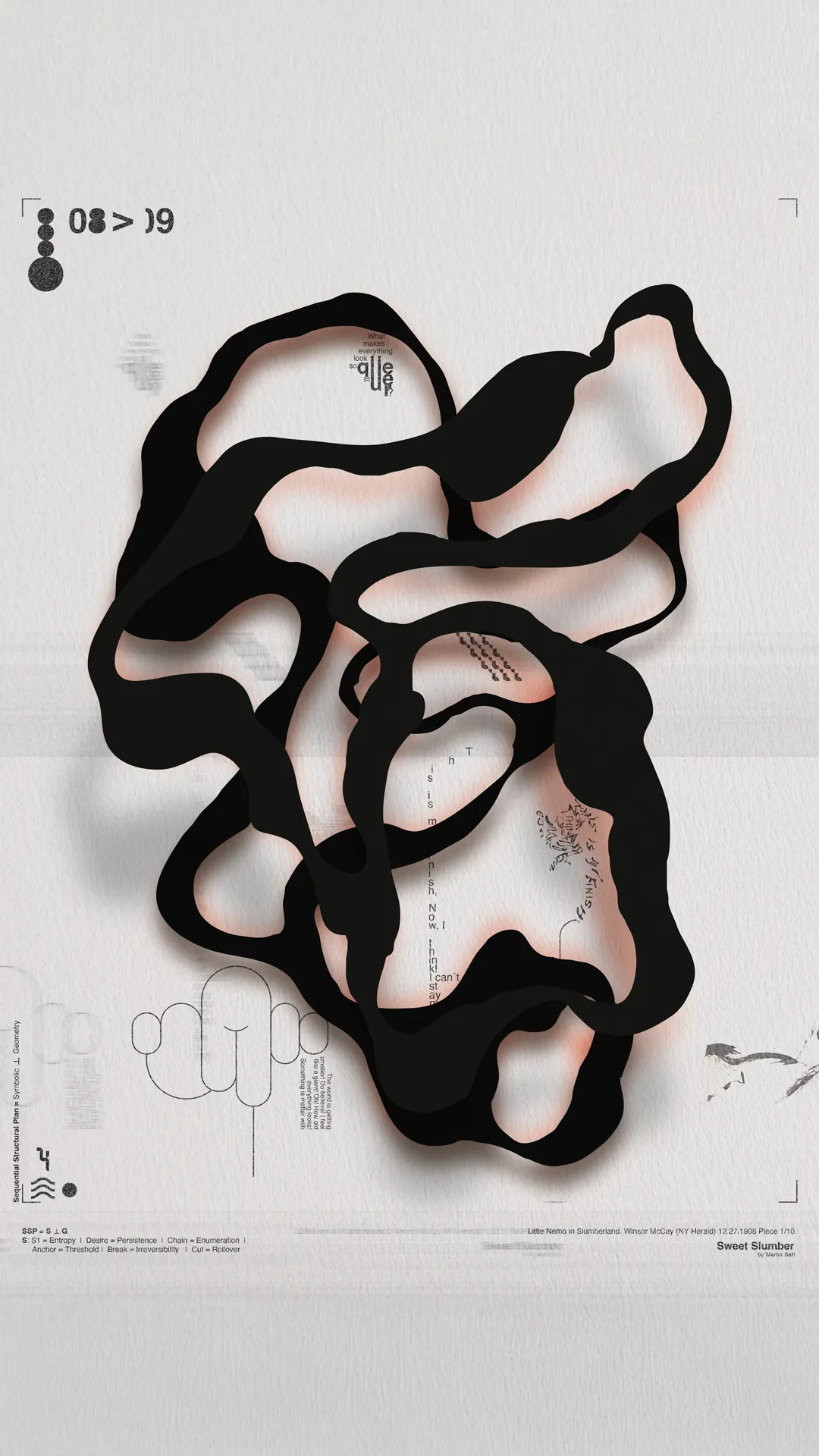
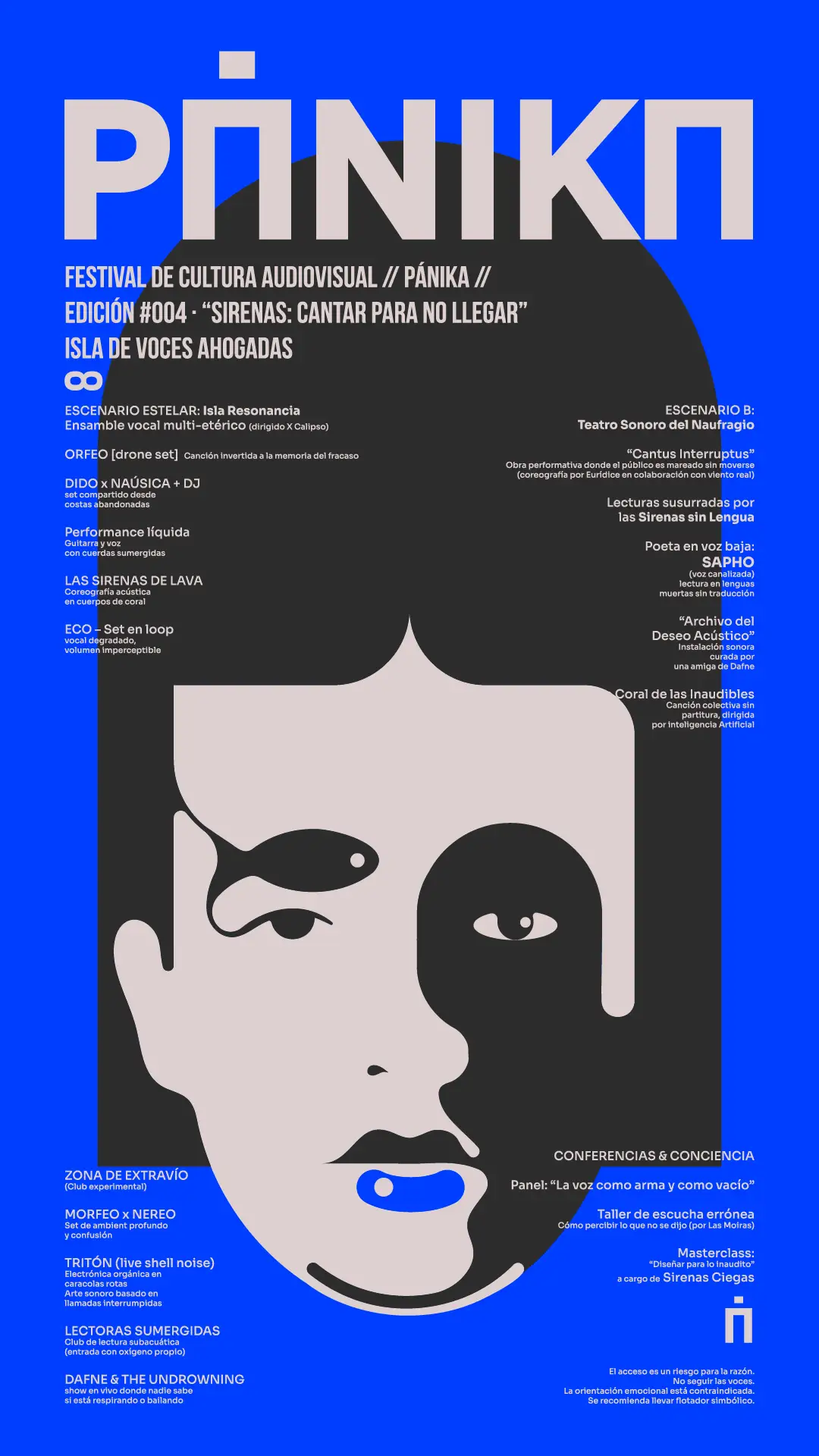
Vibra begins from a simple idea: to use design as a way of entering fully into painting, not as a means of domesticating it. The aim is not to illustrate a face, but to construct a field of forces in which that face barely holds together. That is where an encounter takes place. It is not an expressive subject in the romantic sense; it is a working protocol.
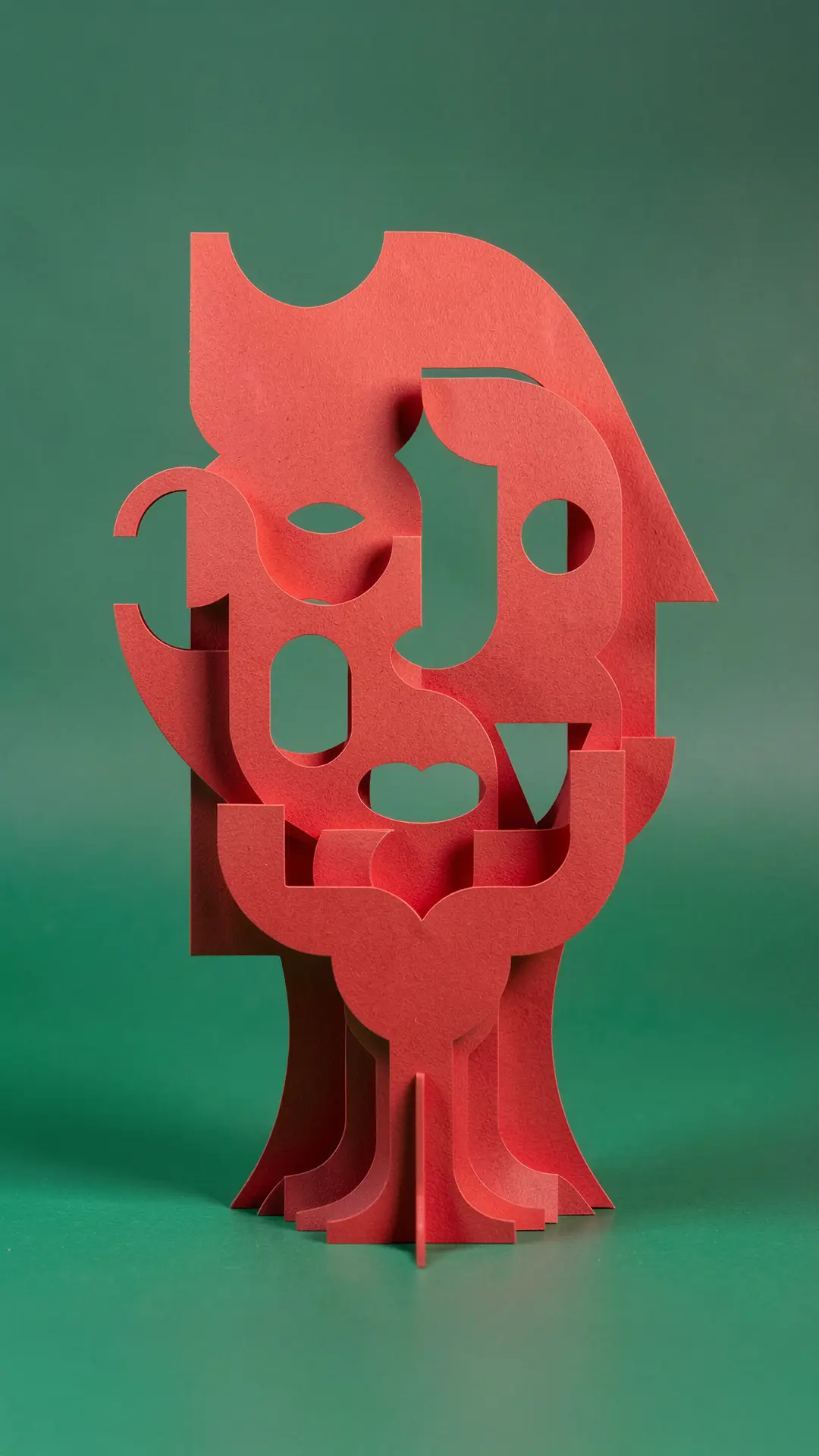
The face is treated as an interface. Not as identity, but as a surface of reading. Goya teaches us the weight of darkness as it submerges the figure. Saura, the calligraphy that wounds and recomposes. Between the two, a methodology emerges: to organize the liquid and keep it unstable. Design provides that minimal organization. Painting provides the necessary instability.
Constructing the form
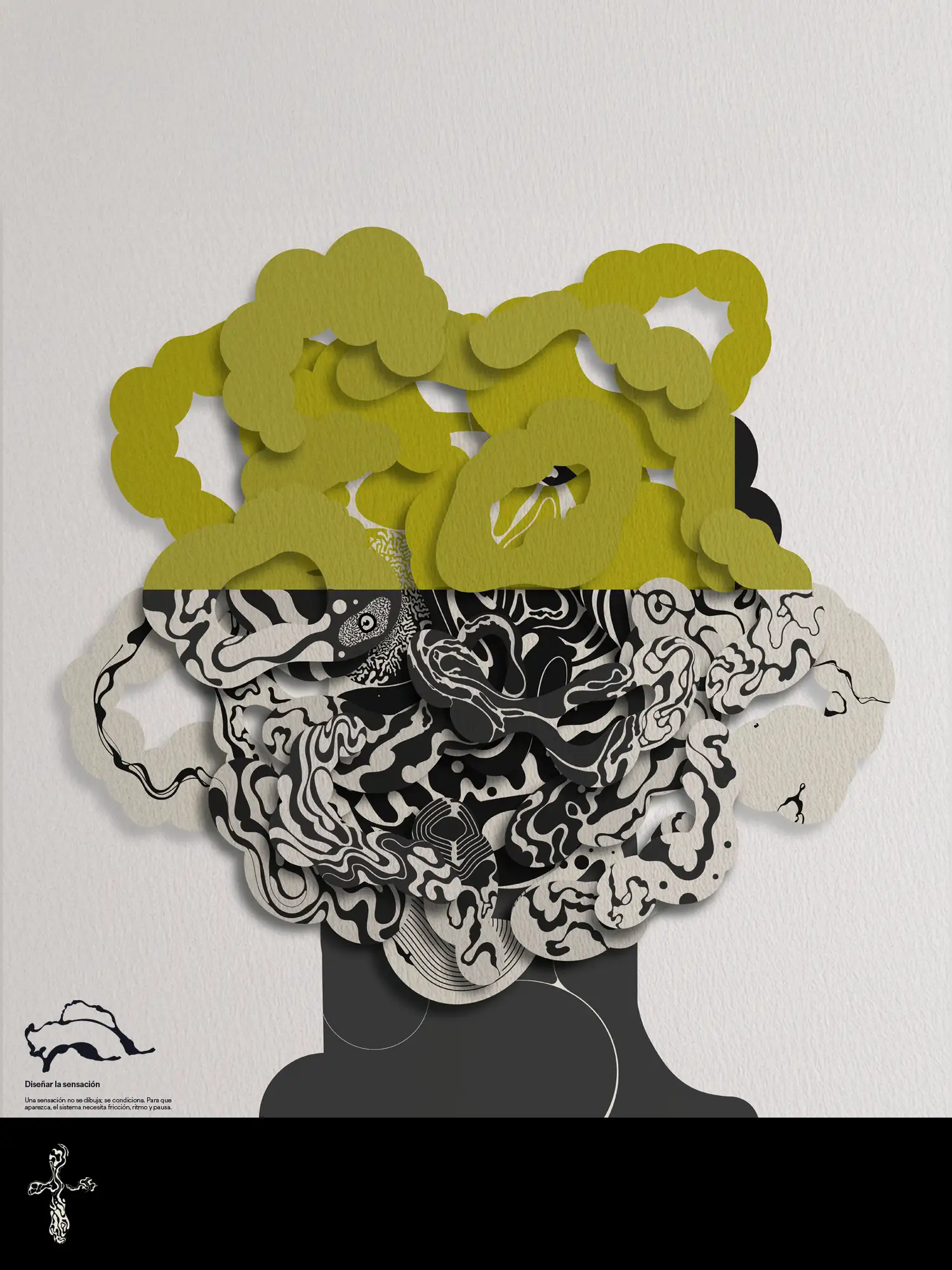
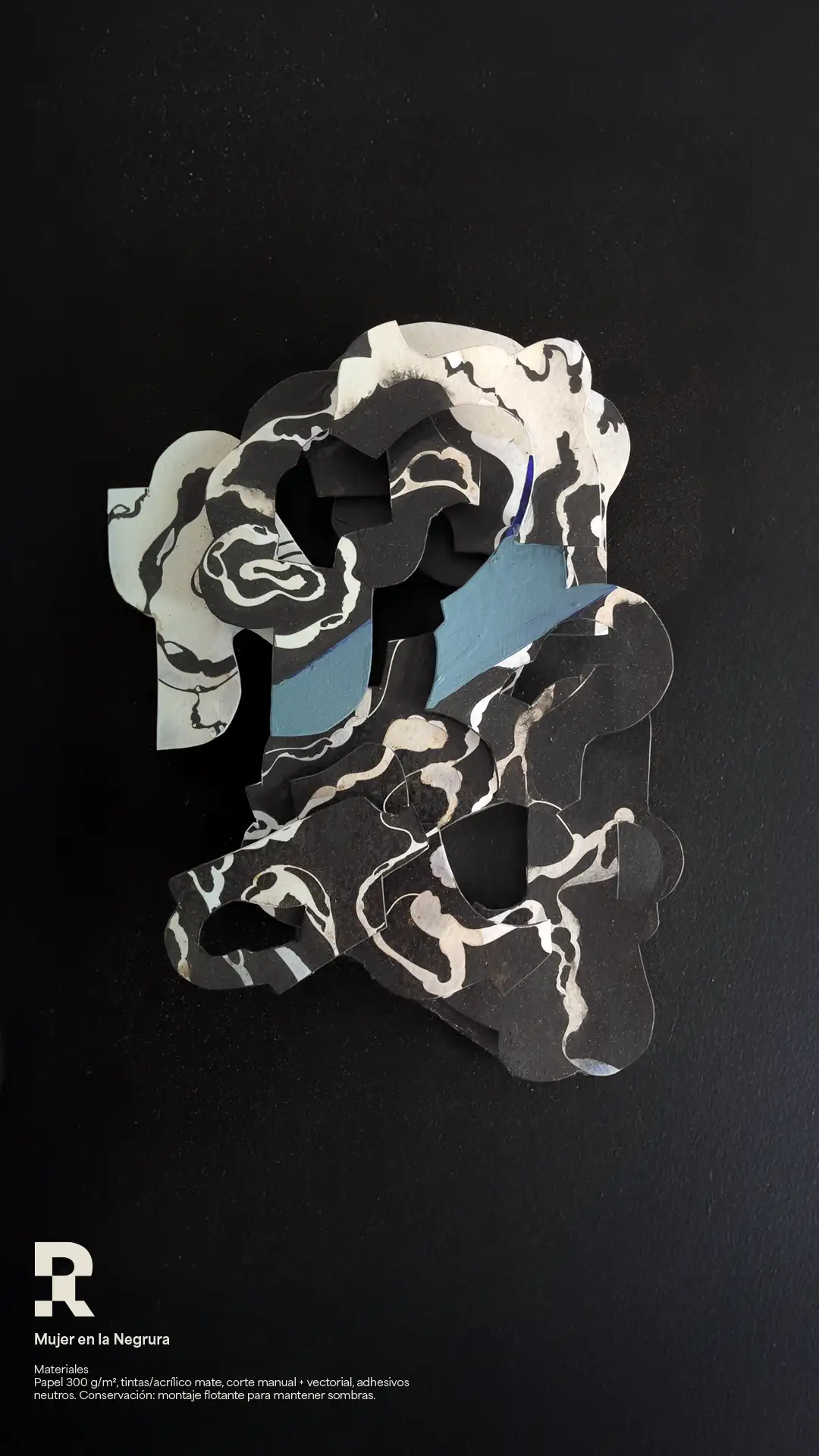
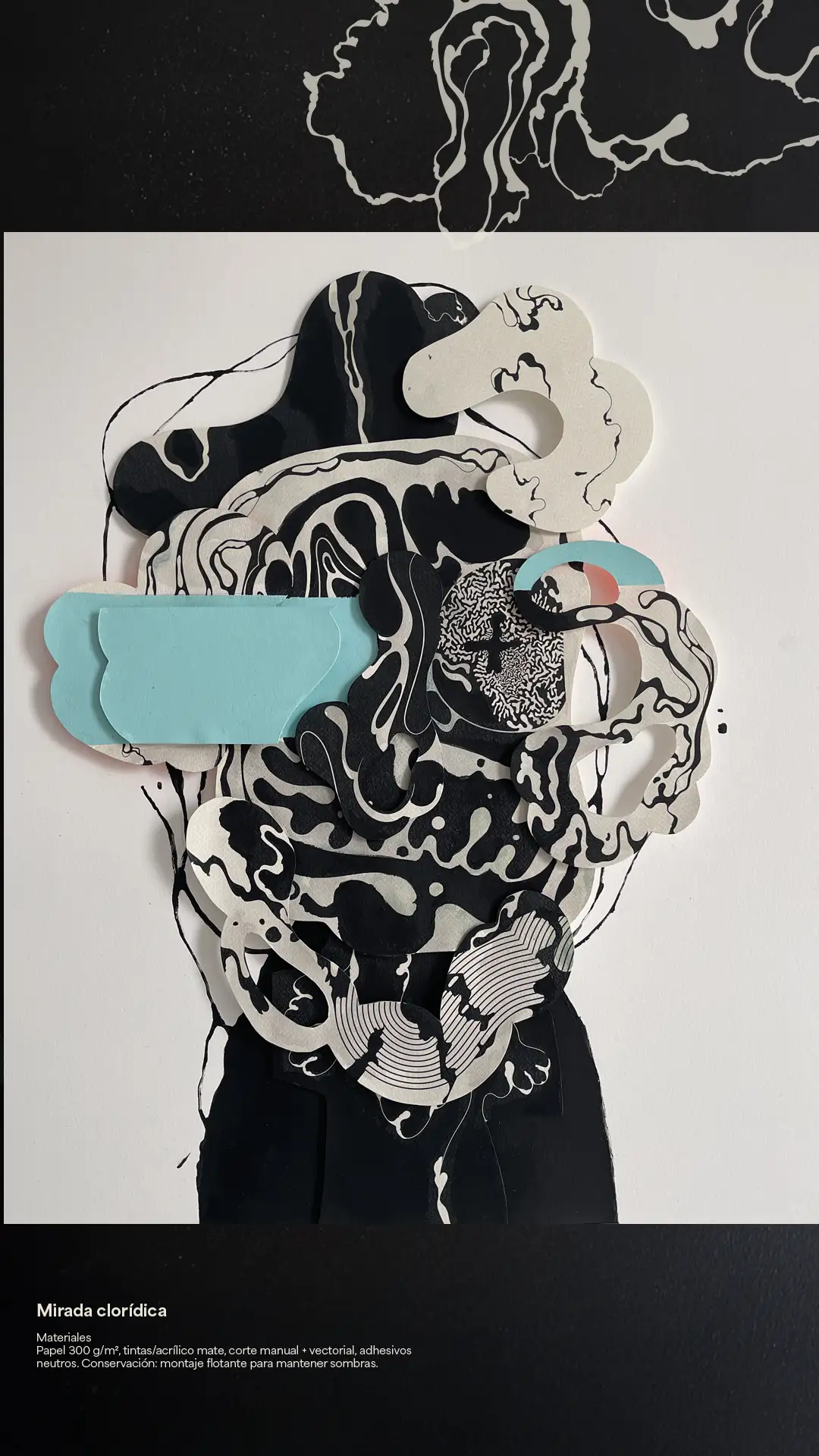
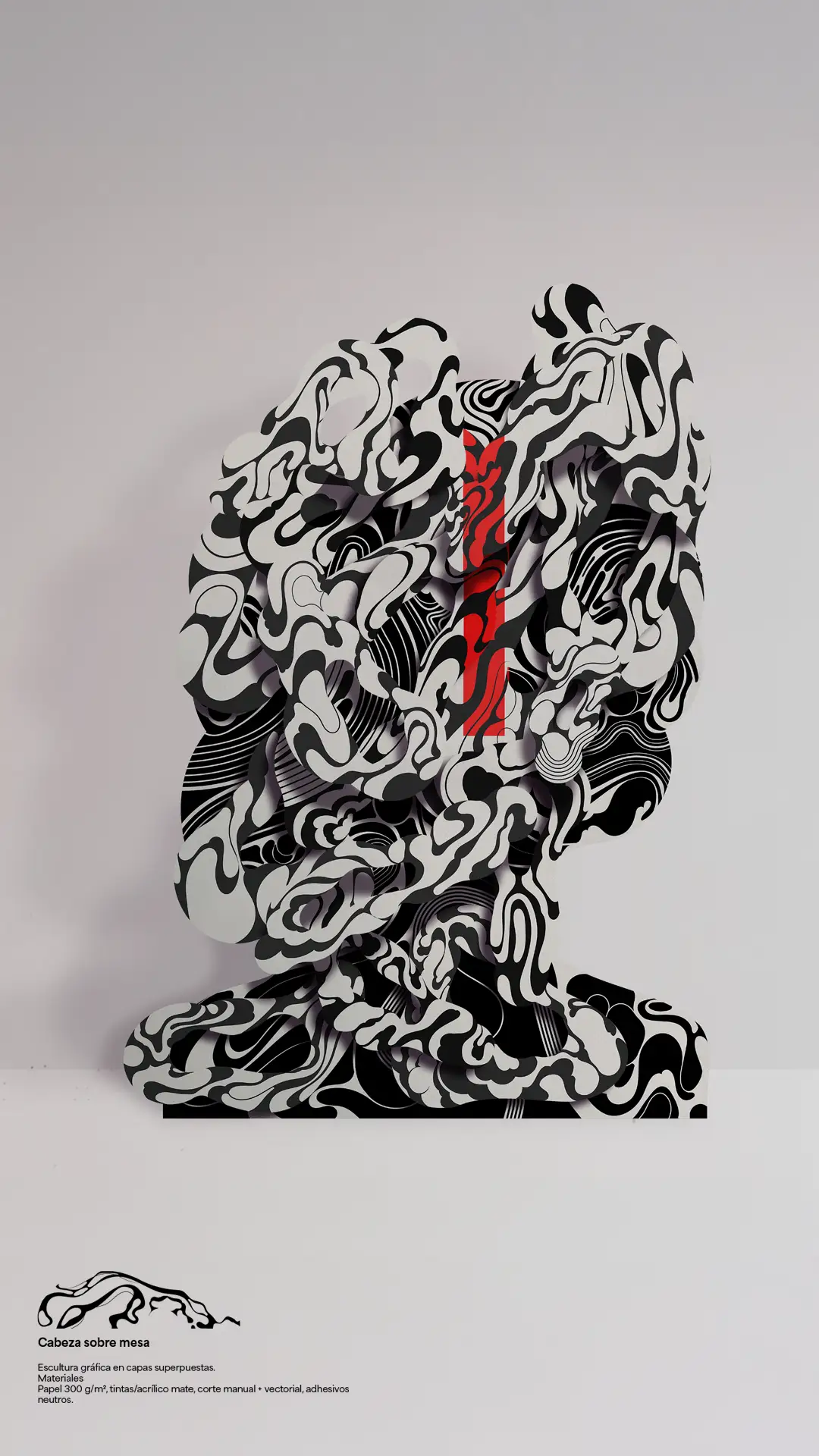
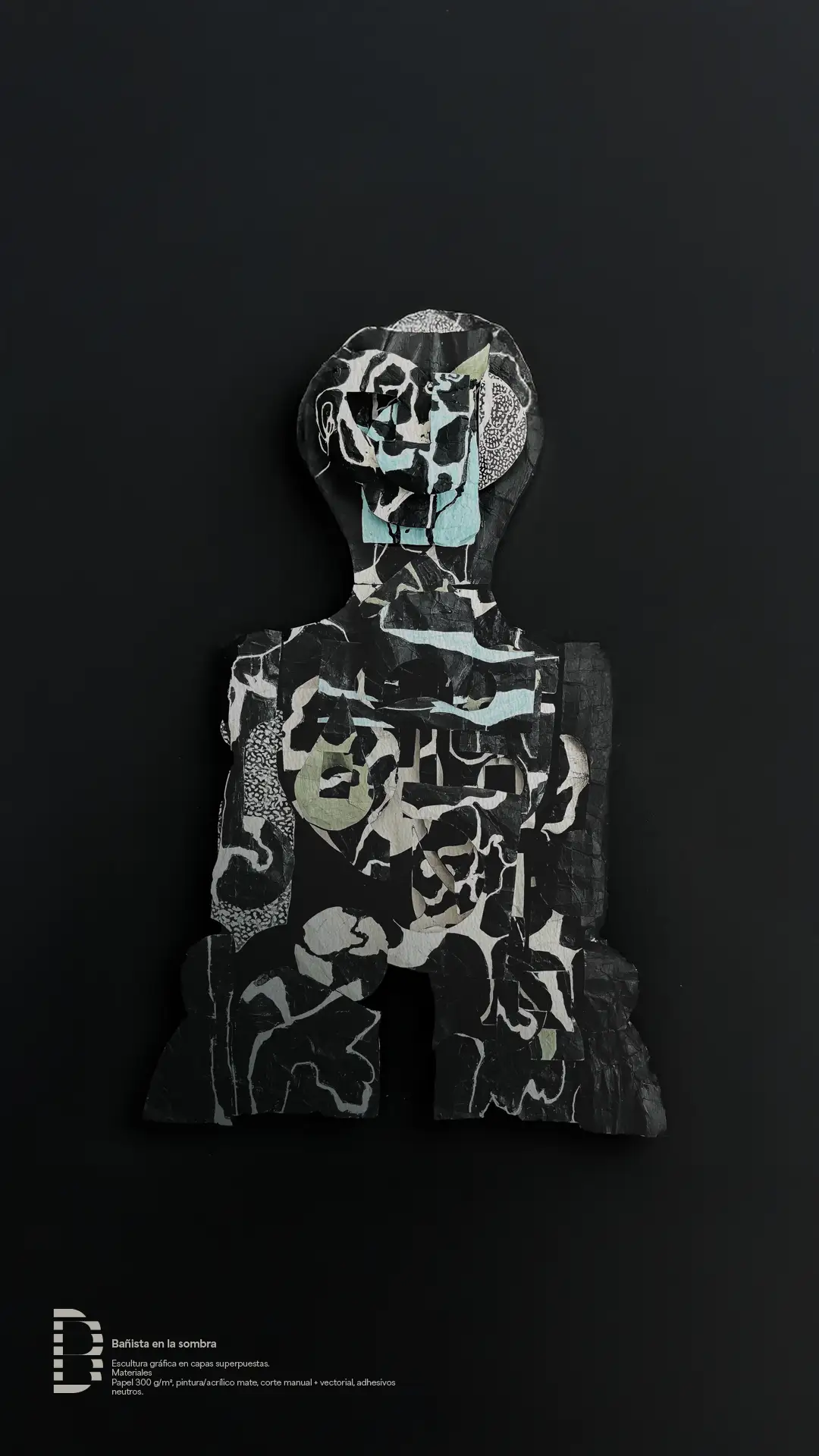
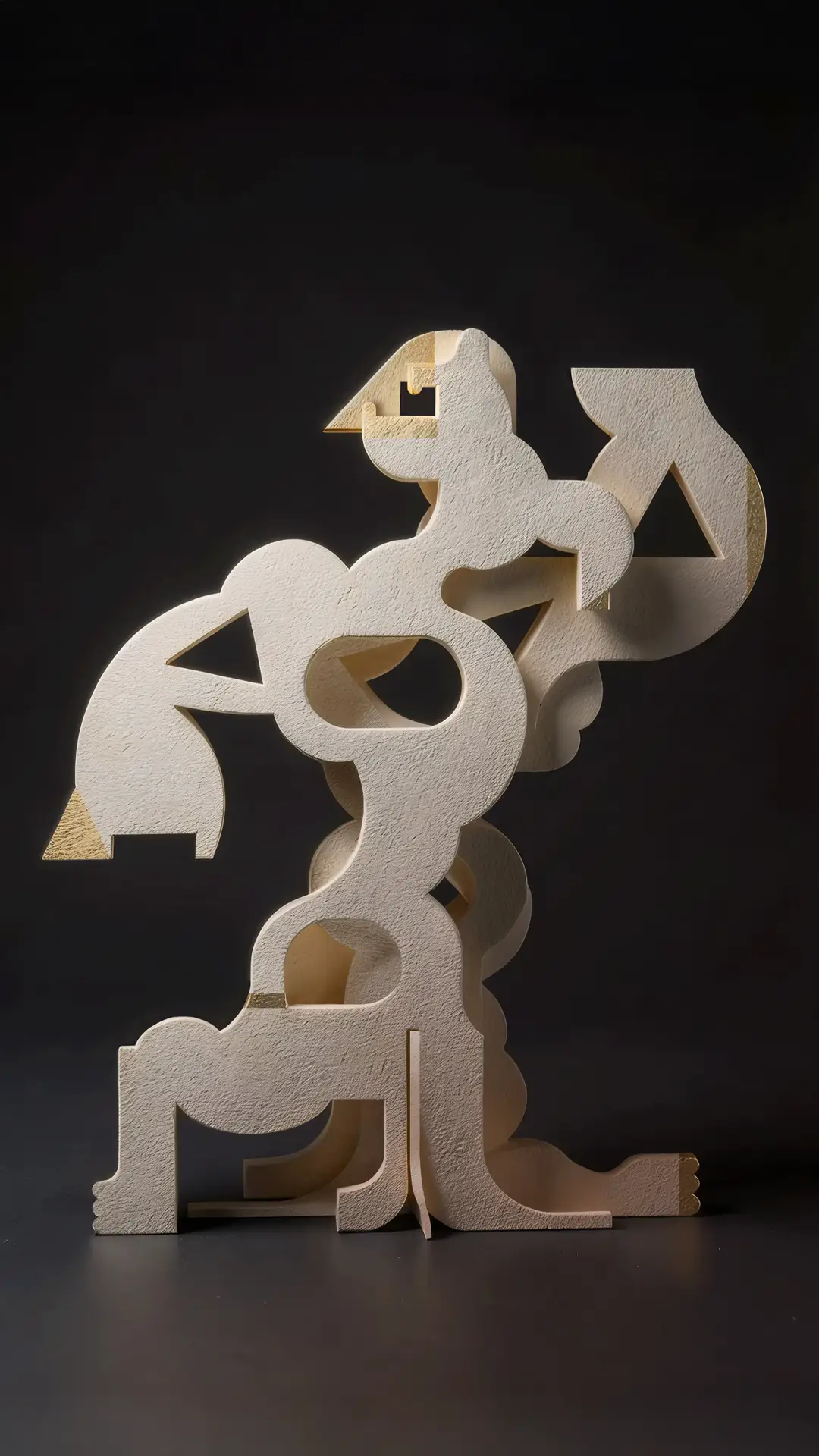
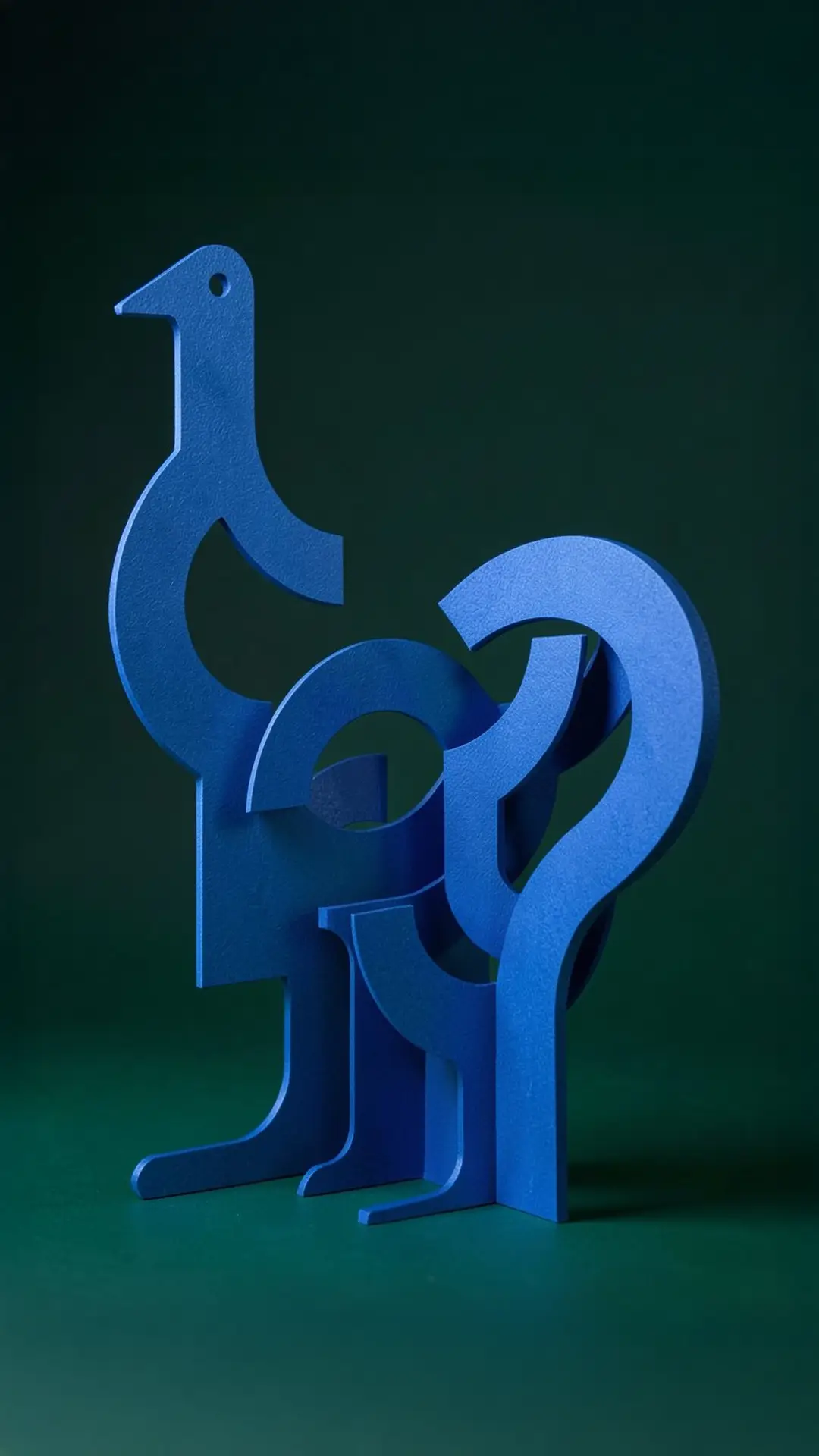
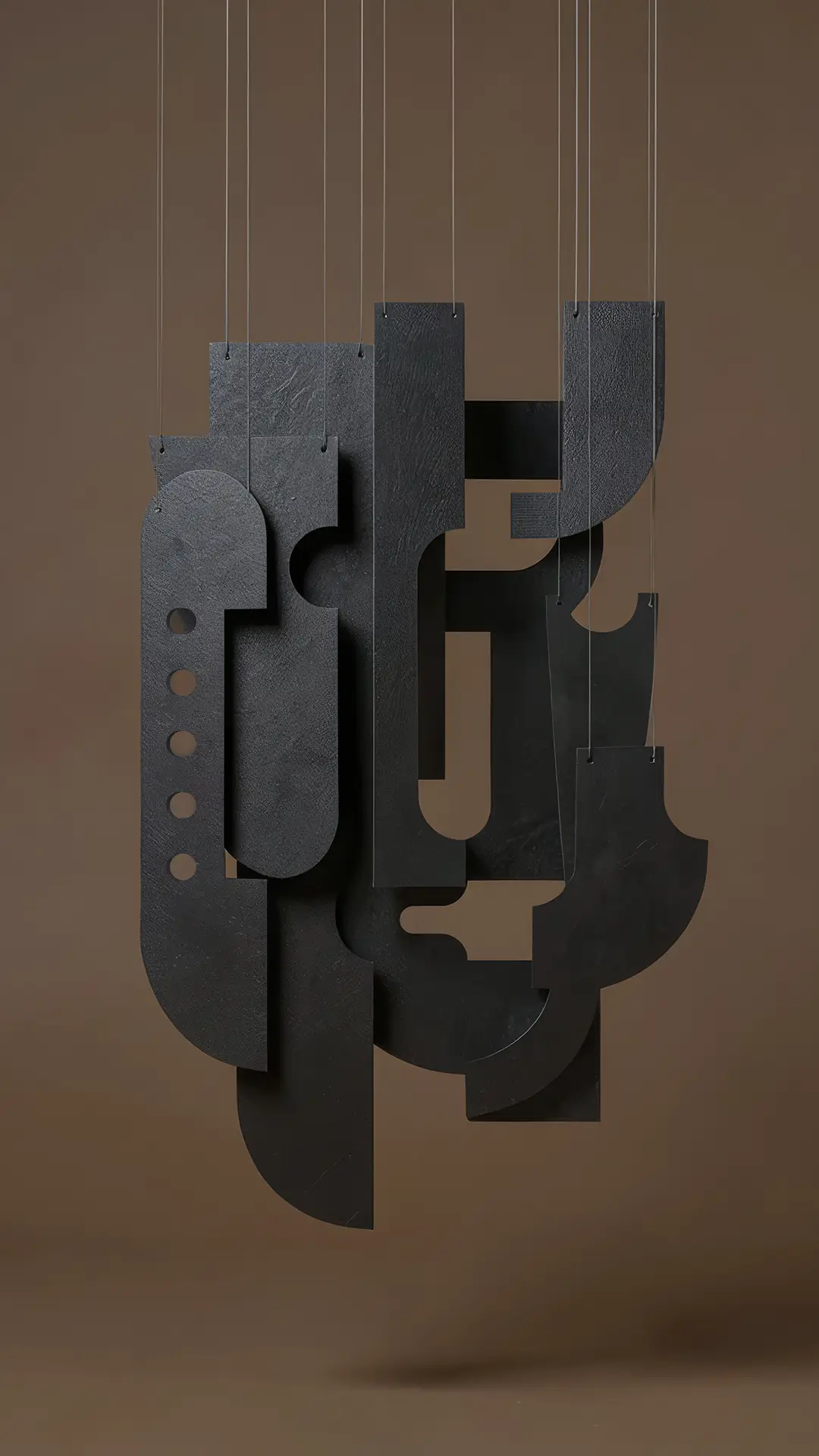
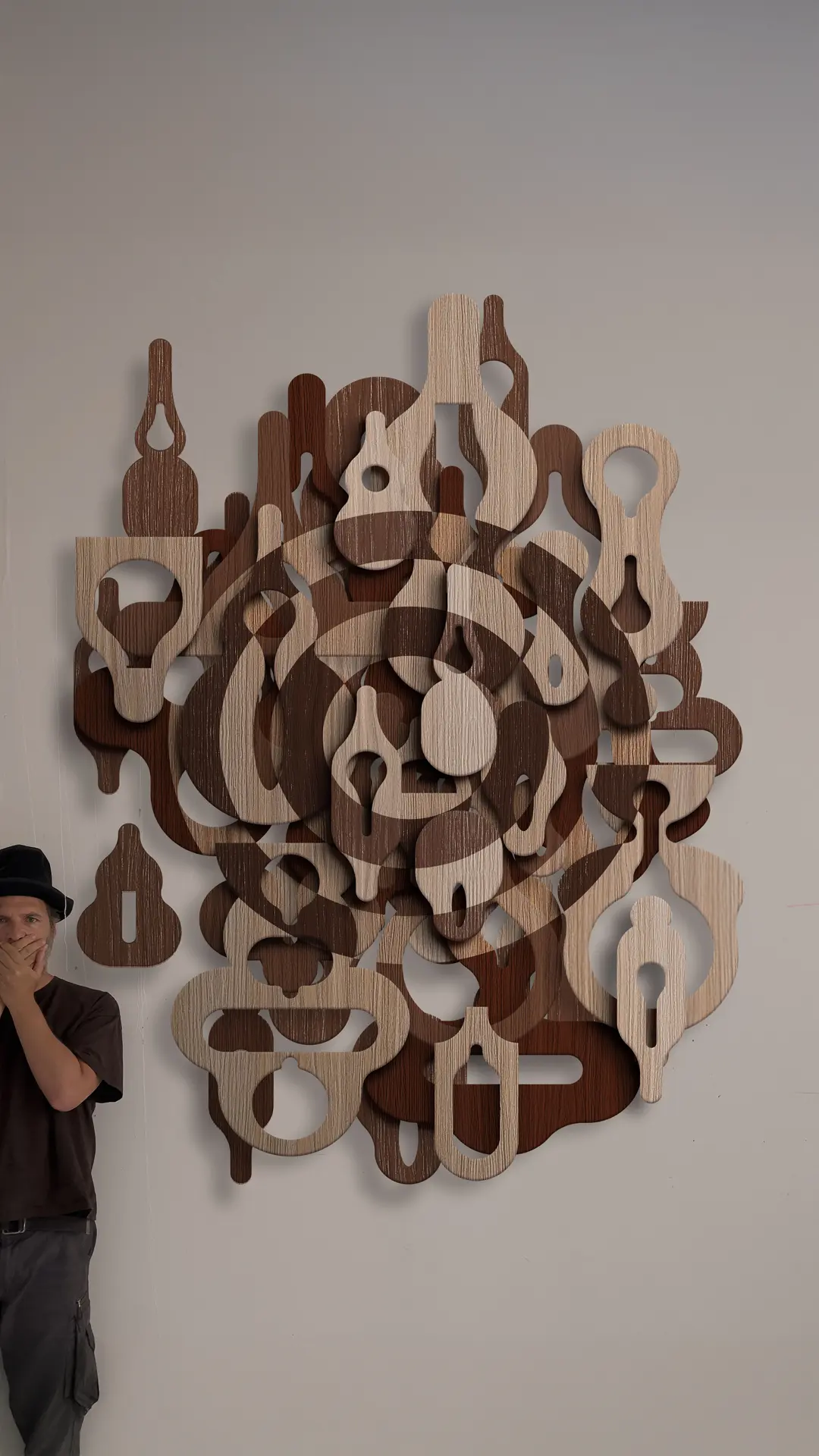
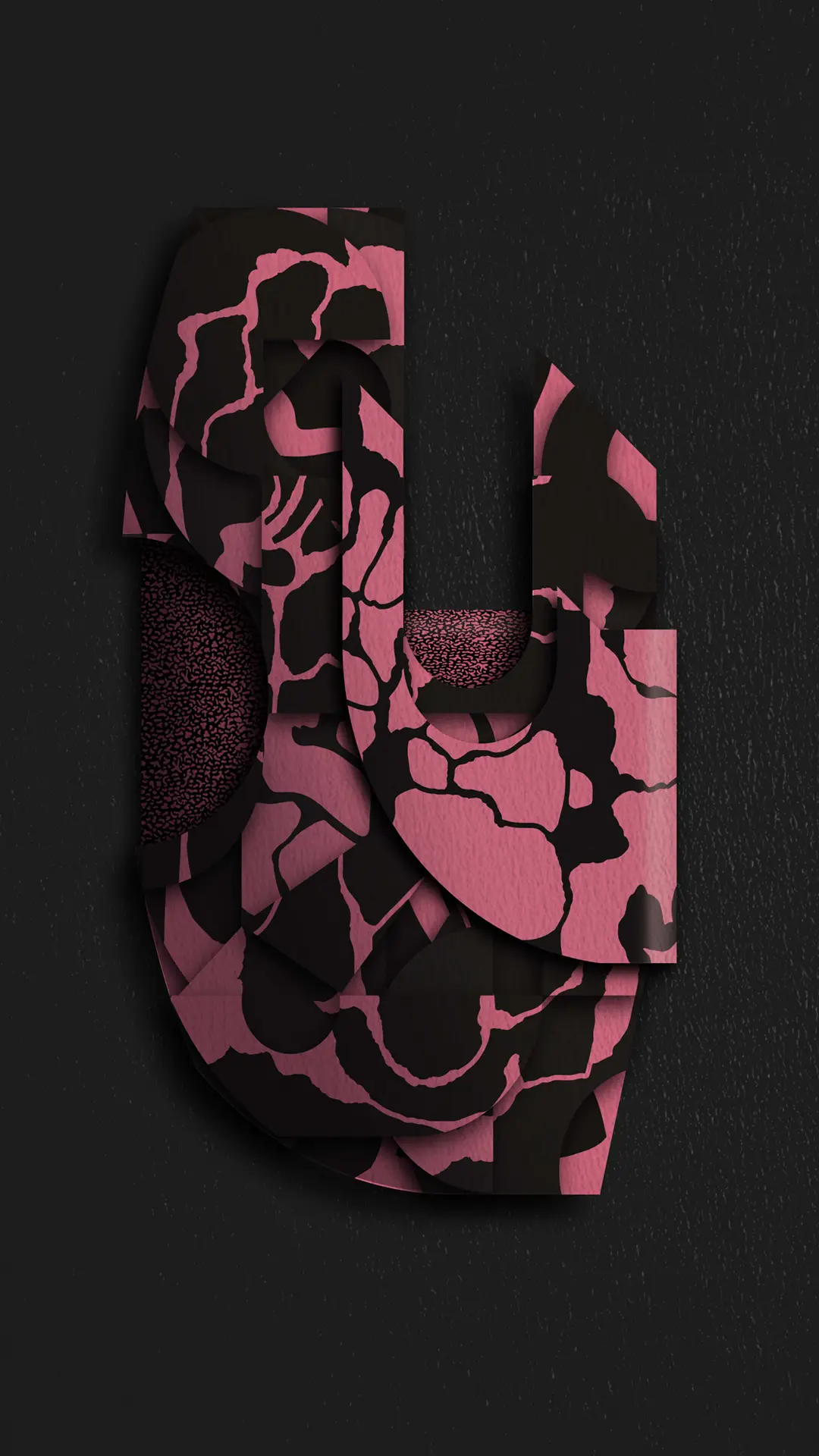
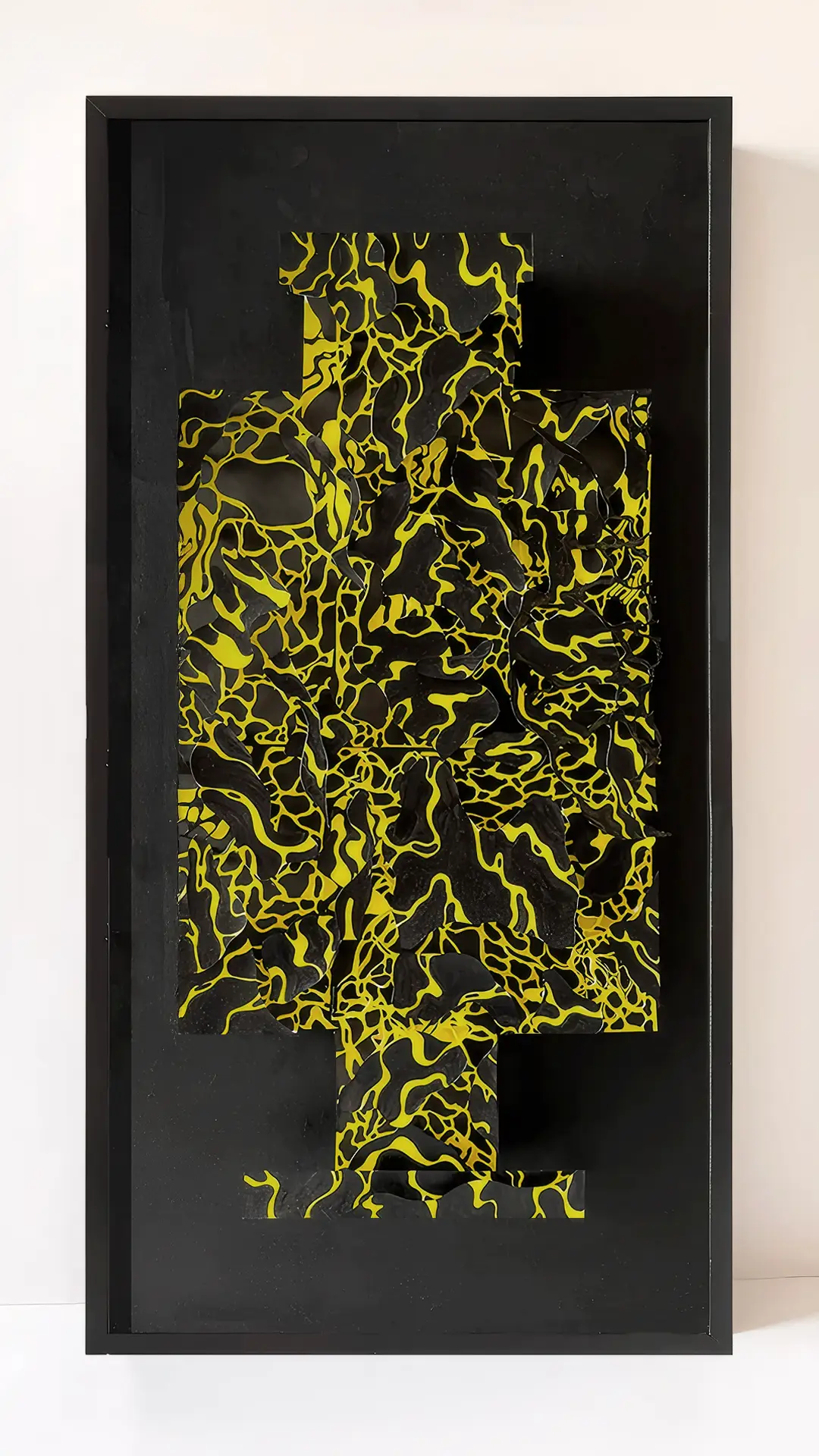
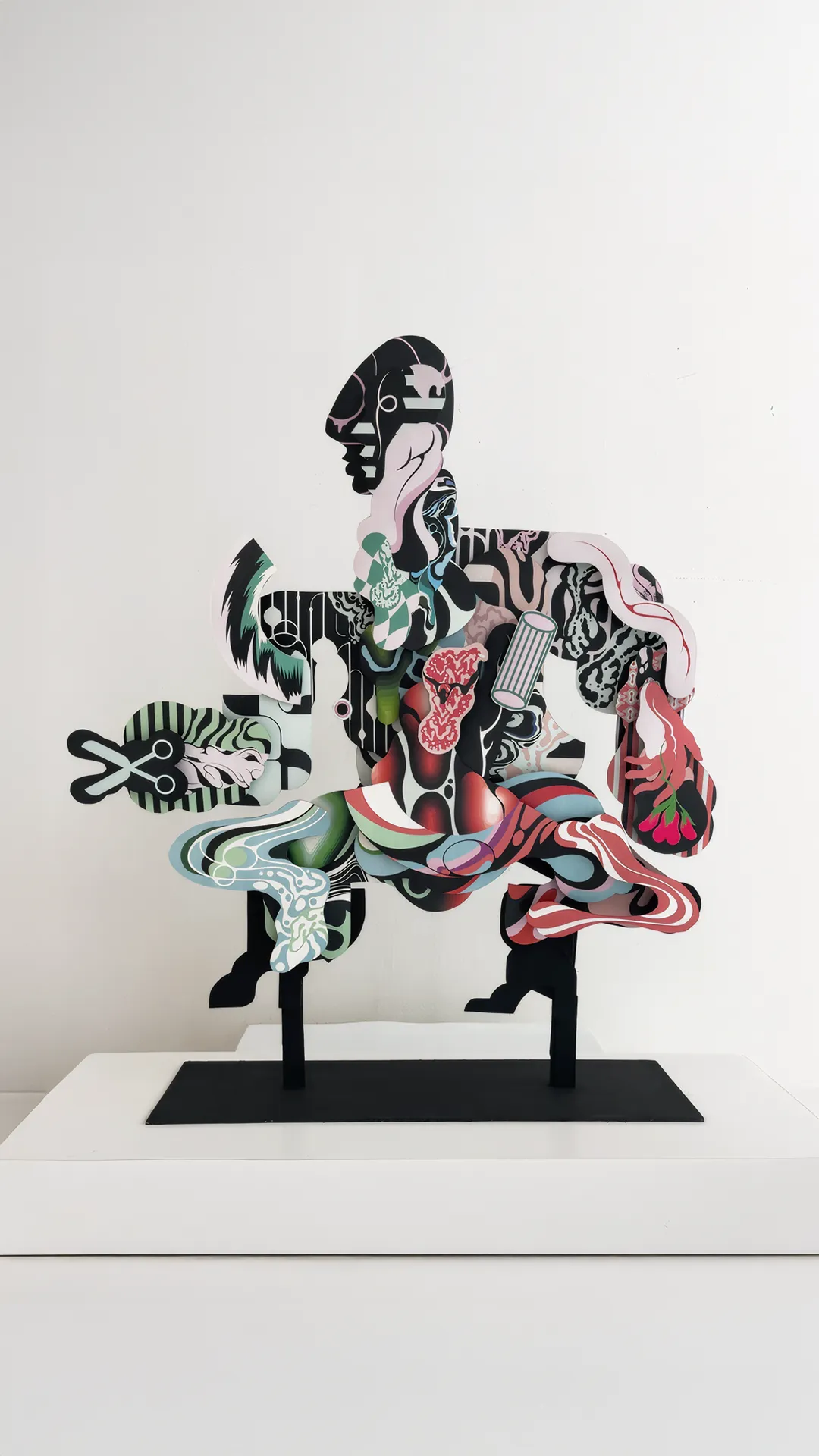
The form is born from layers that never fully align. Each layer proposes a gesture, a direction, a rhythm. When they are superimposed, their coincidence is only partial, and an optical tremor appears. That tremor is not an effect: it is the evidence that the gestures are competing. The figure is recognized and, at the same time, lost. The face is assembled through approximations and gaps. These gaps are not silences; they are zones of pressure that force the eye to complete what it sees.
A pictorial methodology through design
Design appears in order to organize operations: to anticipate, test, and revise. To anticipate does not mean sketching “the image”; it means establishing the conditions of the game: the range of gestures, speeds, and zones of collision. Testing means generating variations within that framework and forcing collisions. Revising means deciding when to stop, which is the key point: holding the figure just before collapse. That instant sustains the vibration.
Each decision is treated as an adjustable parameter: layer density, figure-ground proportion, degree of openness in the line, internal contrast of the stain. The goal is not to find the best value, but the interval in which the form oscillates between two possible readings. If the face becomes fixed, we step back. If it dissolves, we recover anchors. The process is iterative and conscious, but it leaves room for the unforeseen. Error is not immediately corrected; it is integrated in order to increase the tension.
From painting to time
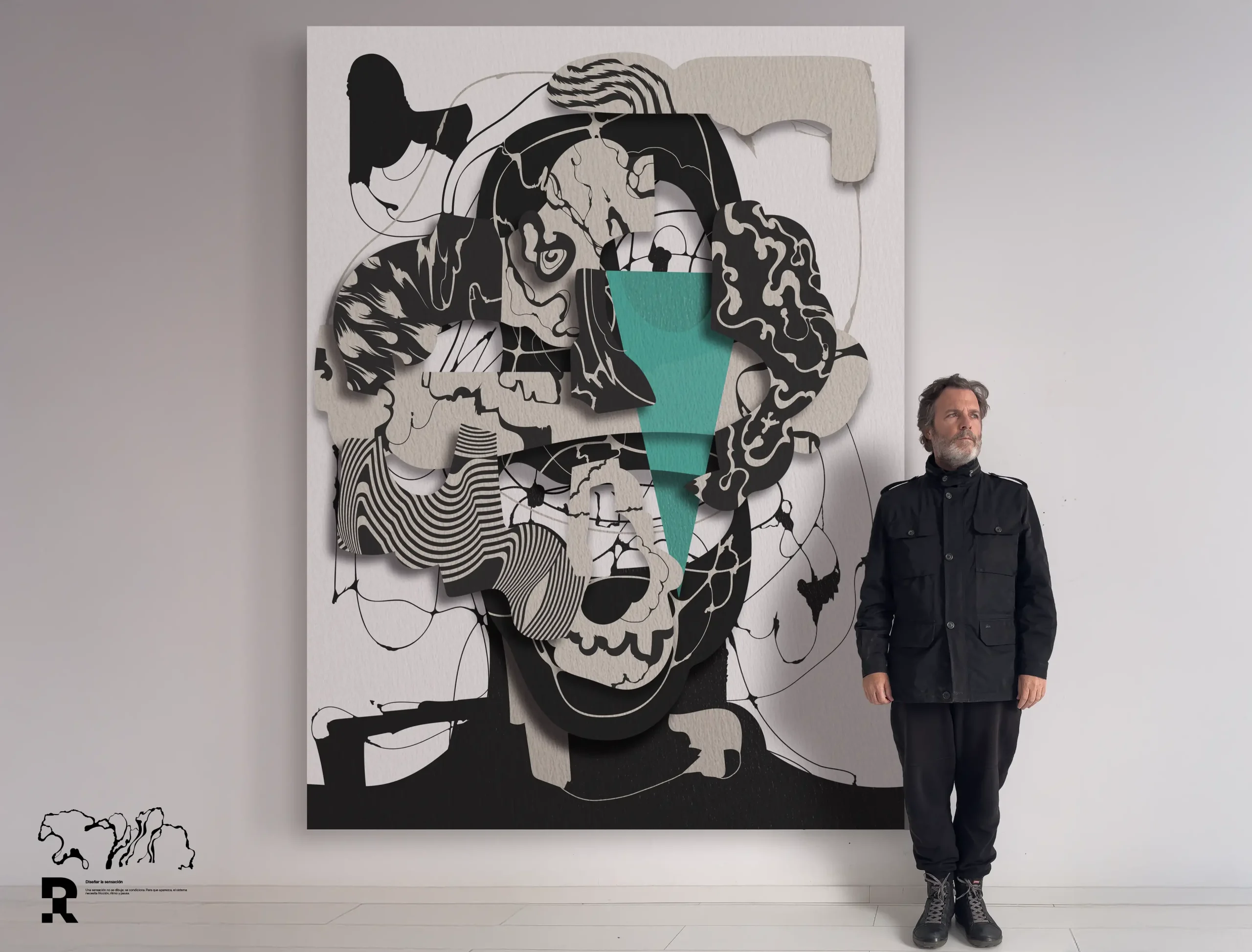
The audiovisual work does not translate the painting; it exposes its time. It works through micro-displacements of the layers and minimal oscillations of the line. There is no narrative. The aim is to keep the eye attentive to the rhythm being marked. Darkness functions as a kind of “silence” that makes the vibration of the stroke audible. Animation simply makes that pulse visible.
< View all work >


martin@martinsati.com
Terms and Conditions
Privacy policy
Copyright © 2026 Martin Satí.